Beyond Cash Flow: How Equity Investors Build Real Wealth Through Property Appreciation

Real estate investors are paying closer attention to where true wealth is created. While consistent cash flow has long been seen as the cornerstone of a strong investment, today’s market conditions are highlighting a more powerful driver of long term success. Appreciation.
Rising property values, constrained supply and strategic repositioning opportunities are shifting the conversation. Investors who understand how equity works are no longer focused only on monthly income. They are positioning themselves to capture long term upside that often far exceeds short term returns.
This shift is not about abandoning cash flow. It is about recognizing that appreciation is where transformative wealth is built.
As markets evolve, investors are also realizing that income alone rarely creates meaningful scale. True portfolio growth often comes from holding assets that increase in value over time. This allows investors to unlock equity, reinvest and expand their holdings more efficiently. It also creates flexibility, giving them multiple exit strategies instead of relying on monthly income alone. In this environment, appreciation is no longer a secondary benefit. It is a primary driver of long term financial growth.
Understanding Equity in Real Estate Investing
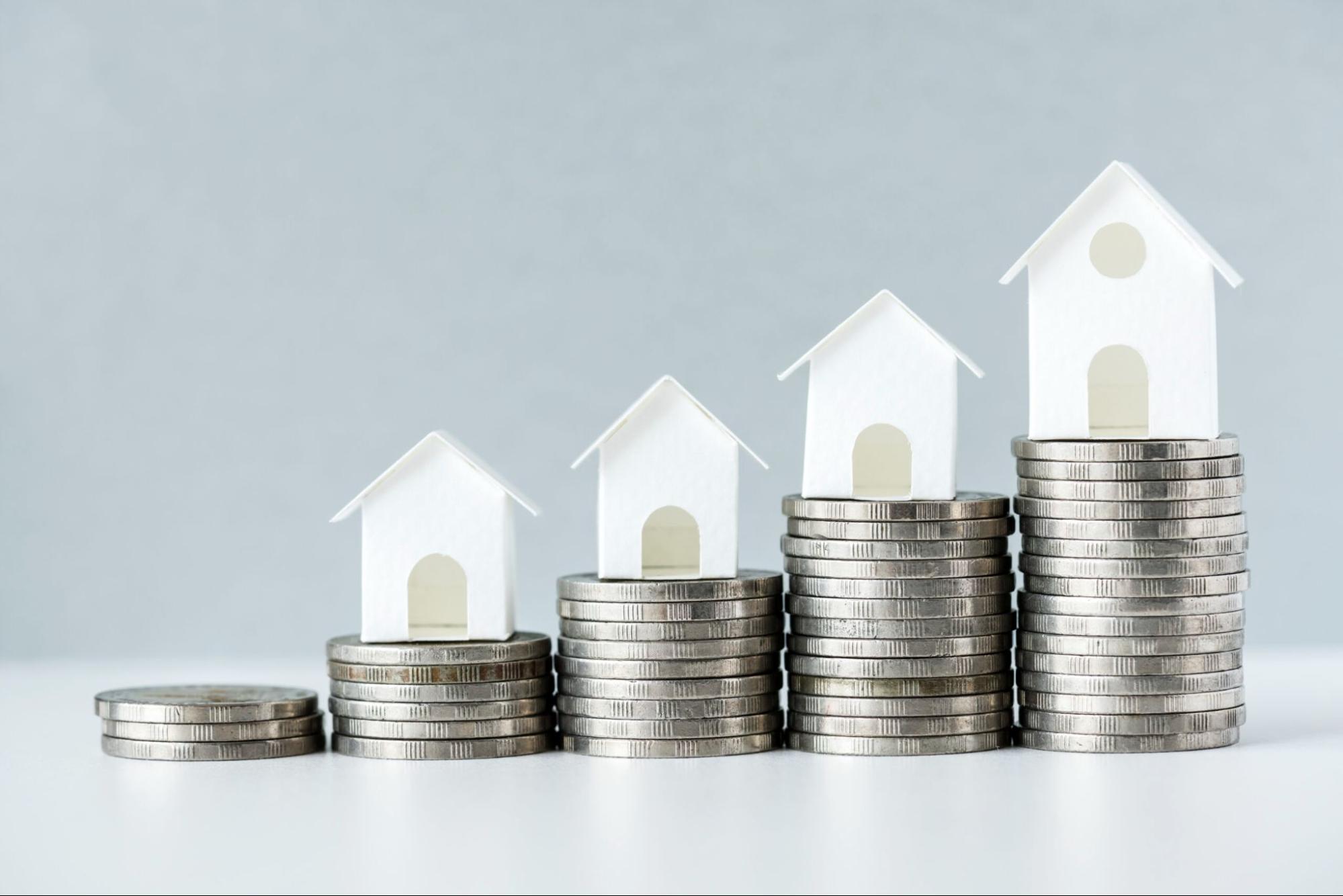
Equity represents true ownership in a property. It is the portion of the asset an investor owns after subtracting any outstanding debt. As loan balances decrease and property values increase, equity continues to grow, strengthening the investor’s overall financial position.
There are two primary ways this growth happens.
The first is natural appreciation, which occurs as market conditions push property values higher over time. Factors such as population growth, economic expansion and increasing demand all contribute to this upward movement.
The second is forced appreciation, which is created through deliberate action. Strategic renovations, improved property management and increased rental income can all significantly enhance a property’s value.
Successful equity investors focus on both approaches. They seek assets that benefit from strong market fundamentals while also identifying opportunities to actively increase value. By combining organic growth with intentional improvements, they create a powerful path to long term wealth.
Why Cash Flow Alone Is Not the Full Picture

Cash flow provides stability. It delivers regular income and can reduce risk during uncertain periods. However, it has limitations.
Cash flow is typically capped. Rental income grows gradually and is often offset by expenses, inflation and market competition.
Appreciation, on the other hand, is not capped in the same way. A well-positioned asset can experience significant value increases over time. This creates a multiplier effect on invested capital.
For example, a property generating moderate monthly income may still deliver exceptional overall returns if its value increases substantially over several years.
This is why experienced investors do not evaluate deals based on cash flow alone. They look at total return with appreciation playing a major role.
The Power of Appreciation in Building Wealth

Appreciation is where equity investors gain a real advantage. It creates opportunities that go far beyond monthly income.
1. Exponential Growth of Net Worth
As property values increase, so does the investor’s net worth. Unlike cash flow which is linear, appreciation compounds over time.
A property purchased at the right price in a growing market can double in value over a holding period. This kind of growth is difficult to replicate with income alone.
2. Leverage Amplifies Returns
Real estate allows investors to use leverage, meaning they can control a large asset with a relatively small amount of capital.
When appreciation occurs, the gains are based on the full value of the property, not just the initial investment.
For example, an investor who puts down a fraction of the purchase price still benefits from 100 percent of the appreciation. This significantly boosts return on equity.
3. Increased Borrowing Power
As equity grows, investors gain access to additional capital.
They can refinance properties, extract equity and reinvest into new opportunities. This creates a cycle of growth that accelerates portfolio expansion.
This strategy allows investors to scale faster without needing to rely solely on new cash contributions.
4. Inflation Hedge
Real estate appreciation often outpaces inflation. As the cost of living rises, property values and rental rates tend to increase as well.
This protects purchasing power and ensures that wealth is not diminished over time.
Cash flow alone may struggle to keep pace with inflation, especially if rents are fixed or slow to adjust.
5. Strategic Exit Opportunities
Appreciation creates flexibility. Investors can choose when and how to realize gains.
They may decide to sell at a higher valuation, refinance to access capital or hold the asset for continued growth.
This optionality is a key advantage of equity investing.
Forced Appreciation: Creating Value Intentionally
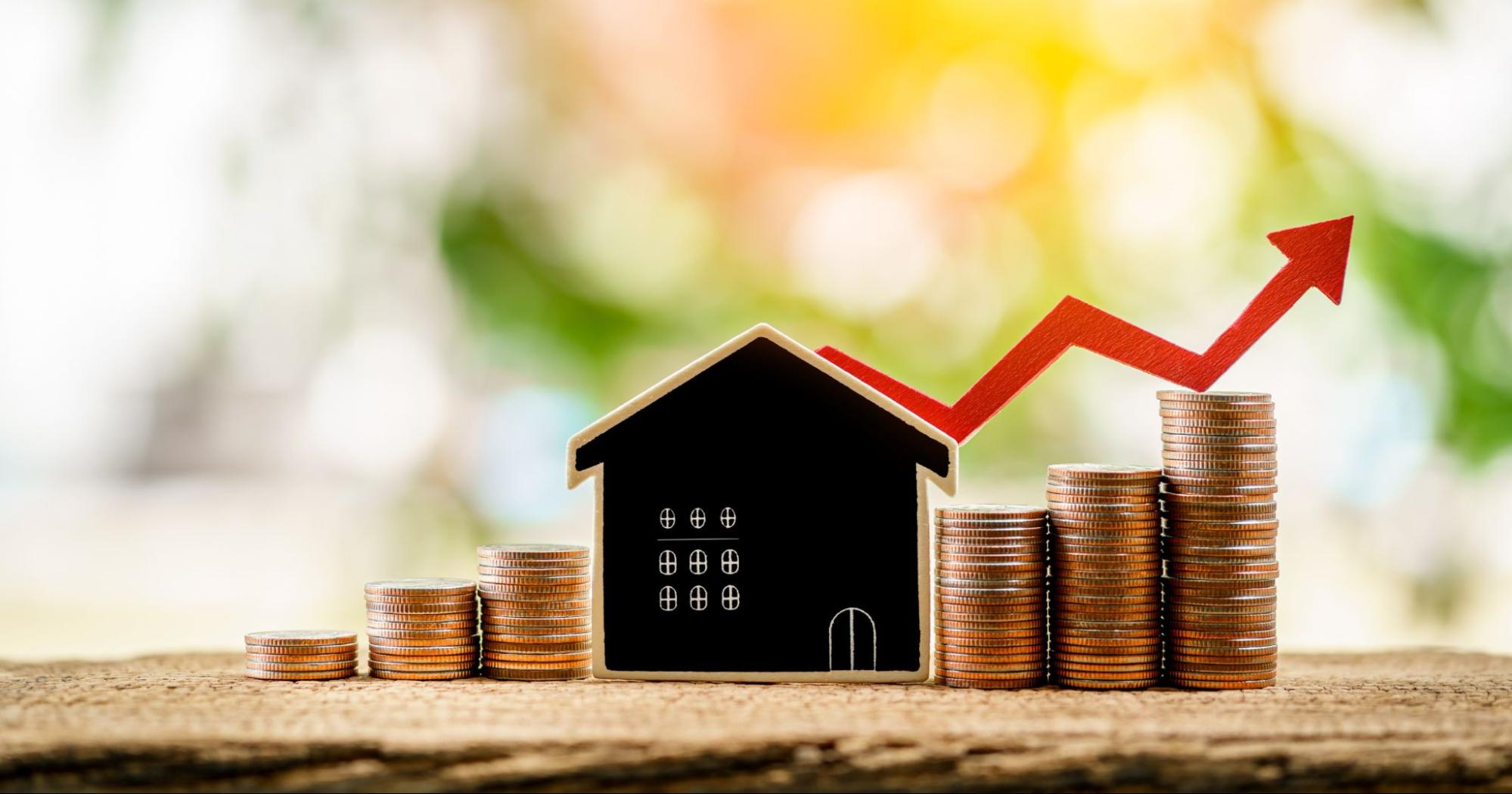
While market driven appreciation is important, the most successful investors do not rely on it alone.
They focus on forced appreciation by improving the property and its performance.
Common Strategies Include:
- Renovating units to increase rental income
- Enhancing property management to reduce vacancies
- Adding amenities that attract higher quality tenants
- Repositioning underperforming assets
These actions directly increase the income generated by the property. Since commercial real estate is often valued based on income, even small improvements can lead to significant increases in property value.
This is one of the most powerful aspects of equity investing. Investors are not just waiting for the market to move. They are actively creating value.
The Role of Time in Appreciation

Time is a critical driver of equity growth in real estate. While short term fluctuations are normal and often influenced by interest rates, economic shifts and market sentiment, they rarely define the true value of an asset.
Over longer periods, real estate has historically trended upward due to fundamentals like population growth and rising demand. Investors who hold quality assets through market cycles are more likely to benefit from steady appreciation rather than being impacted by temporary volatility.
Time also allows both natural and forced appreciation to compound. Improvements made today and market growth over time work together to increase value. Patience, in this context, becomes a strategic advantage, helping investors maximize returns while minimizing the effects of short term market noise.
Longer holding periods also create more opportunities to optimize performance, whether through rent adjustments, operational efficiencies or refinancing strategies. As equity builds, investors gain flexibility to reinvest or scale their portfolios. This compounding effect strengthens overall returns and reinforces why time in the market is often more valuable than trying to time the market.
Balancing Cash Flow and Appreciation

The smartest investors do not choose one over the other. They balance both.
Cash flow provides:
- Stability
- Liquidity
- Risk mitigation
Appreciation provides:
- Long term wealth
- Portfolio growth
- Strategic flexibility
A well-structured investment strategy includes assets that generate income while also offering strong appreciation potential.
The key is alignment with investor goals.
An investor seeking immediate income may prioritize cash flow. One focused on long-term growth may accept lower initial income in exchange for higher appreciation potential.
Common Misconceptions About Appreciation

Despite its importance, appreciation is often misunderstood.
Misconception 1: Appreciation Is Speculative
While short-term price movements can be unpredictable, long-term appreciation is driven by fundamental factors such as demand, supply constraints and economic growth.
Investing in strong markets with solid fundamentals reduces speculation.
Misconception 2: Only Luxury Properties Appreciate
Appreciation is not limited to high end assets.
Workforce housing, multifamily units and value add properties can all experience significant growth especially when demand is high.
Misconception 3: Cash Flow Is Safer
Cash flow provides consistency but it is not risk free.
Vacancies, maintenance costs and market shifts can impact income.
Appreciation, when backed by strong fundamentals and strategy, can be just as reliable over time.
How to Identify High Appreciation Opportunities

Not all properties are created equal. Equity investors look for specific indicators that signal strong appreciation potential.
1. Market Growth Drivers
Population growth, job creation and infrastructure development are key indicators.
These factors increase demand for housing and push property values higher.
2. Supply Constraints
Limited housing supply relative to demand often leads to price increases.
Markets with zoning restrictions or limited new construction can offer strong appreciation potential.
3. Value Add Potential
Properties that are underperforming or outdated present opportunities for forced appreciation.
Investors who can improve operations and increase income can unlock hidden value.
4. Location Fundamentals
Proximity to employment centers, schools and amenities plays a major role in long term value.
Desirable locations tend to experience stronger and more consistent appreciation.
The Compounding Effect of Reinvestment

One of the most powerful aspects of appreciation is its ability to fuel further growth.
When investors realize gains through refinancing or sale, they can reinvest into new properties.
This creates a compounding effect.
Each successful investment builds on the previous one, accelerating wealth creation over time.
This is how many experienced investors scale their portfolios from a single property to a diversified collection of assets.
Risk Management in Appreciation Focused Investing

Focusing on appreciation does not mean ignoring risk.
Smart investors take steps to protect their capital while pursuing growth.
Key Risk Management Strategies:
- Investing in fundamentally strong markets
- Avoiding over leverage
- Maintaining adequate reserves
- Conducting thorough due diligence
Balancing optimism with discipline ensures that appreciation driven strategies remain sustainable.
Final Thoughts
Equity investing is about more than collecting monthly income. It is about building long term wealth through strategic ownership and value creation.
Appreciation plays a central role in this process. It transforms steady investments into powerful wealth building tools. It provides flexibility, scalability and the potential for significant returns.
Investors who understand this dynamic position themselves differently. They look beyond immediate income and focus on the bigger picture.
At Prawdzik Capitals, this philosophy is a core part of the investment approach. By targeting opportunities that combine strong fundamentals with value creation potential, the goal is to deliver both stability and long term growth.
In today’s evolving market, the investors who succeed are those who recognize that real wealth is not just earned month by month. It is built over time through smart equity positioning and the power of appreciation.
FAQs
Q1. What is appreciation in real estate investing?
Appreciation is the increase in a property’s value over time due to market conditions or improvements made to the asset.
Q2. Is appreciation more important than cash flow?
Both are important. Cash flow provides income, while appreciation drives long term wealth. The best strategies balance both.
Q3. How can investors force appreciation?
By renovating properties, increasing rental income, improving management and enhancing overall asset performance.
Q4. Can appreciation be predicted?
While exact timing is uncertain, strong market fundamentals like population growth and demand can indicate higher appreciation potential.
Q5. How does leverage impact appreciation returns?
Leverage allows investors to control larger assets with less capital, amplifying gains when property values increase.