Equity Investing Pays Twice: How Income Today Turns Into Exit Profits Tomorrow

Investors who focus only on cash flow often miss where the most meaningful wealth creation actually happens.
The real power of equity is not just the income it distributes during the hold period. It is the ability to compound returns through two separate profit engines at once: steady operational income and a potentially larger capital event at exit. That dual-layer structure is why equity remains one of the most effective ways to build long-term wealth in private real estate. Cash flow distributions provide current yield, while appreciation, leverage and principal paydown can expand total proceeds when the asset is sold or refinanced.
For sophisticated investors, this is the difference between simply earning yield and participating in the full lifecycle of value creation.
This guide breaks down exactly how equity captures both income and exit profits, why that matters in modern portfolio construction and what separates average equity deals from exceptional ones.
The Core Advantage of Equity: Two Return Streams Instead of One
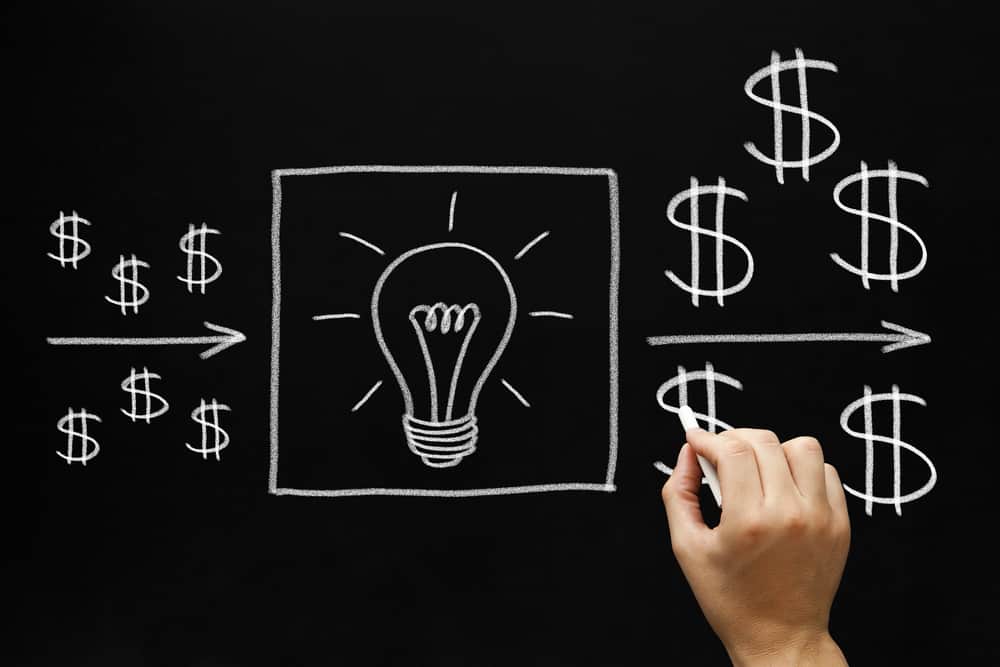
The biggest reason equity stands apart from debt and fixed-income alternatives is simple: it gets paid in more than one way.
Unlike debt, which is typically limited to fixed interest payments, equity participates in the full performance of the asset over time. This means investors benefit not only from current income but also from the value created throughout the hold period and ultimately realized at exit.
A well-structured equity investment can produce returns from:
- ongoing cash flow income
- asset appreciation
- mortgage principal paydown
- operational value creation
- refinancing proceeds
- sale profits at exit
This layered return structure is what makes equity especially powerful.
The first stream is ongoing cash flow which can provide regular distributions as the property generates income beyond expenses and debt service. The second stream comes from appreciation and exit profits where increases in NOI, better occupancy, strategic renovations and stronger market positioning can materially raise the sale value of the asset.
In addition, principal paydown quietly builds equity in the background while refinancing events may return capital before the final sale.
Instead of relying on a single fixed coupon, equity allows your capital to work through multiple compounding channels at the same time. Cash flow supports present income needs while appreciation and value creation support long-term upside.
That is what makes it such a compelling strategy for investors seeking both:
- passive income today
- net worth growth over time
How Ongoing Cash Flow Creates Immediate Investor Value

The first return engine in equity is current distributable cash flow.
Once a property produces income above operating expenses, reserves and debt service, the remaining cash can be distributed to equity holders according to the waterfall.
This income often comes from:
- rent collections
- occupancy gains
- lease escalations
- expense optimization
- vendor renegotiation
- amenity revenue
- parking or service income
- operational efficiencies
These distributions may be monthly or quarterly depending on the structure.
Why This Matters
This recurring income creates immediate value in four ways:
1) It Reduces the “Wait Until Sale” Problem
Investors do not need to wait years to experience returns.
2) It Improves Portfolio Cash Flow
For RIAs, family offices and income-focused investors, distributions can support ongoing portfolio needs.
3) It Builds Deal Confidence
When a deal starts paying, investors gain confidence that the business plan is performing.
4) It Supports Reinvestment
Smart investors often redeploy distributions into new opportunities, accelerating compounding.
This is why stable cash flow remains such a powerful feature of high-quality equity deals.
The Second Profit Engine: Exit Profits Are Where Wealth Accelerates

Cash flow is powerful.
But exit profits are where equity often becomes transformational.
While ongoing distributions provide steady income during the hold period, the true acceleration in wealth typically happens when the business plan is fully realized and the asset is monetized. When the property is sold, recapitalized or refinanced at a higher value, equity holders participate in the gain after debt obligations are satisfied, allowing them to capture the full upside created over time.
This upside may come from:
- improved NOI
- higher occupancy
- stronger rent rolls
- asset repositioning
- cap rate compression
- better tenant mix
- renovations and modernization
- institutional-quality reporting
- favorable sale timing
Each of these factors can directly increase the valuation of the property, which means the value created during the hold period is converted into realized profit at exit.
Because equity owns the upside, investors can capture the increase in asset value that was built through stronger operations, strategic improvements and disciplined execution. This appreciation component is typically realized through a sale event, recapitalization or refinance, often making it the largest contributor to total returns.
This is where metrics like:
- equity multiple
- IRR
- MOIC
- profit share
- promote participation
can expand dramatically, turning a strong income-producing investment into a significant long-term wealth creation event.
Why the Best Equity Deals Are Built Backward From the Exit
Elite sponsors do not buy assets hoping appreciation simply happens.
They underwrite from the exit backward.
That means the acquisition strategy is built around:
- what NOI must become?
- what occupancy targets need to be hit?
- what capex projects drive rent growth?
- what refinance milestones unlock capital?
- what exit buyer profile is most likely?
- what valuation multiple is realistic?
The best sponsors know that income and exit profits are not separate outcomes.
They are connected.
Strong cash flow improves exit value because higher NOI directly supports stronger sale pricing.
That relationship between operations and valuation is where true equity alpha is created.
A More Advanced Example of How Equity Pays Twice

Let’s expand the simple investor example.
An investor allocates $250,000 into a value-add multifamily equity deal.
Phase 1: Income during the Hold
In year one, distributions are modest because renovations are underway.
By year two and three:
- occupancy improves
- rents increase
- bad debt declines
- tenant retention improves
- operating margins expand
The investor begins receiving regular quarterly distributions.
Over 4 years, total distributed cash flow may represent a meaningful percentage of the original capital invested.
Phase 2: Exit Profit Realization
Once the asset stabilizes:
- NOI is significantly higher
- renovation premiums are proven
- trailing financials strengthen
- buyer demand expands
The sponsor sells into a favorable window.
At closing, the investor receives:
- original capital back
- preferred return catch-up
- share of net profit
- participation above hurdle tiers
- possible refinance distributions before sale
This is the exact dual-engine structure that makes equity so attractive for long-term wealth creation.
The Hidden Return Driver Most Investors Forget: Principal Paydown

One of the most overlooked benefits of equity investing is loan amortization-driven equity growth.
Even if market values stayed flat, tenants are still helping reduce debt over time through rent-supported mortgage payments.
That means:
- the loan balance declines
- ownership equity increases
- sale proceeds improve
- refinance flexibility expands
This passive balance-sheet improvement quietly enhances total returns and can materially improve exit proceeds over a multi-year hold.
So even beyond distributions and appreciation, equity often benefits from a third silent layer of wealth creation.
Why Equity Is Built for Long-Term Compounding

The most sophisticated investors are not chasing isolated yields.
They are building systems that compound.
Equity supports compounding through:
- current distributions
- appreciation upside
- principal paydown
- refinance liquidity events
- tax-efficient depreciation in many structures
- redeployment into future deals
- sponsor promote alignment
Each of these layers can reinforce the others.
For example:
- cash flow distributions fund new allocations
- appreciation increases net worth
- refinance events recycle capital
- exits create larger redeployment capacity
This creates a wealth snowball effect that debt-only structures often cannot match.
Why Risk Creates the Opportunity for Larger Exit Profits

The reason equity can capture both income and upside is because it sits below debt in the capital stack.
That means it takes more risk.
But that risk is what creates the upside.
Equity investors are compensated through:
- unlimited appreciation participation
- multiple liquidity pathways
- stronger IRR potential
- operational alpha exposure
- sponsor execution upside
- longer-duration compounding
The best deals are not speculative bets.
They are execution-driven business plans with clear pathways to:
- improved income
- higher valuation
- disciplined exit timing
That is where the return premium comes from.
What Sophisticated Investors Evaluate Before Committing Capital

Experienced investors know that not all equity is created equal.
Before allocating, they pressure-test both return engines.
Questions Around Income
- Is in-place cash flow already stable?
- How realistic are occupancy assumptions?
- Are expense reductions actually achievable?
- What distribution coverage exists?
Questions Around Exit
- What is the likely buyer profile?
- Is the projected exit cap rate conservative?
- What value-creation milestones support pricing?
- Could refinance proceeds de-risk the hold?
- Is there institutional demand for stabilized assets?
This framework helps determine whether the investment can genuinely deliver income today and profit tomorrow.
Why This Strategy Fits Modern Wealth Management

For RIAs and private capital allocators, equity is especially valuable because it solves two common client needs at once:
Income Need
Clients want dependable distributions.
Growth Need
Clients also need capital appreciation that outpaces inflation and supports legacy planning.
Equity directly bridges both goals.
This is why it fits so well inside:
- alternative sleeves
- inflation-sensitive allocations
- family office growth buckets
- long-horizon retirement capital
- next-generation wealth transfer strategies
It is one of the few structures that naturally aligns cash flow goals with long-term upside creation.
Final Thoughts
Exceptional wealth is rarely built from one-dimensional returns.
The most effective strategies allow capital to earn while it grows.
That is exactly why equity remains so powerful in private real estate.
It captures:
- income from operations
- equity growth from principal paydown
- appreciation from value creation
- profit participation at exit
- refinancing flexibility during the hold
This layered structure allows investors to benefit from the full lifecycle of an asset, not just one phase of it.
At Prawdzik Capitals, this philosophy continues to define how disciplined equity strategies are evaluated: not just by the yield they generate today but by how effectively they convert operational performance into meaningful exit profits tomorrow.
That is where real long-term wealth creation happens.