Equity vs Debt in Real Estate Investing: Which Strategy Builds True Long-Term Wealth?
A Market-Focused Perspective on Building Wealth
Markets do not move in straight lines. They expand, contract, stabilize and reset, often in ways that shift investor behavior and reshape opportunity. Capital follows these shifts, flowing toward safety during uncertainty and chasing growth when confidence returns. As conditions evolve, so do investment strategies, forcing investors to constantly reassess how and where they deploy their capital.
In this environment, one question consistently rises to the surface: should you prioritize the stability and predictability of debt or position yourself for the upside potential that equity can deliver? It is not just a technical decision. It reflects your risk tolerance, your timeline and your broader vision for building wealth.
Both approaches play a fundamental role in real estate investing. Debt offers structure, defined returns and a layer of protection that can provide peace of mind, especially in volatile markets. Equity, on the other hand, is where true growth happens. It captures appreciation, benefits from operational improvements and compounds over time in ways that can significantly expand an investor’s net worth.
The real challenge is not choosing one and ignoring the other. It is understanding how each performs across different market cycles, how they respond to risk and how they contribute to your overall financial strategy. What works in a short-term income-focused plan may not serve a long-term wealth-building objective, and vice versa.
This article takes a deeper look at the structural differences, return profiles, risk exposure and long-term outcomes of common equity and debt investments. By breaking these elements down in a clear and practical way, the goal is to help you make more informed decisions and determine which approach is better positioned to support sustainable, long-term wealth creation.
Understanding the Core Difference
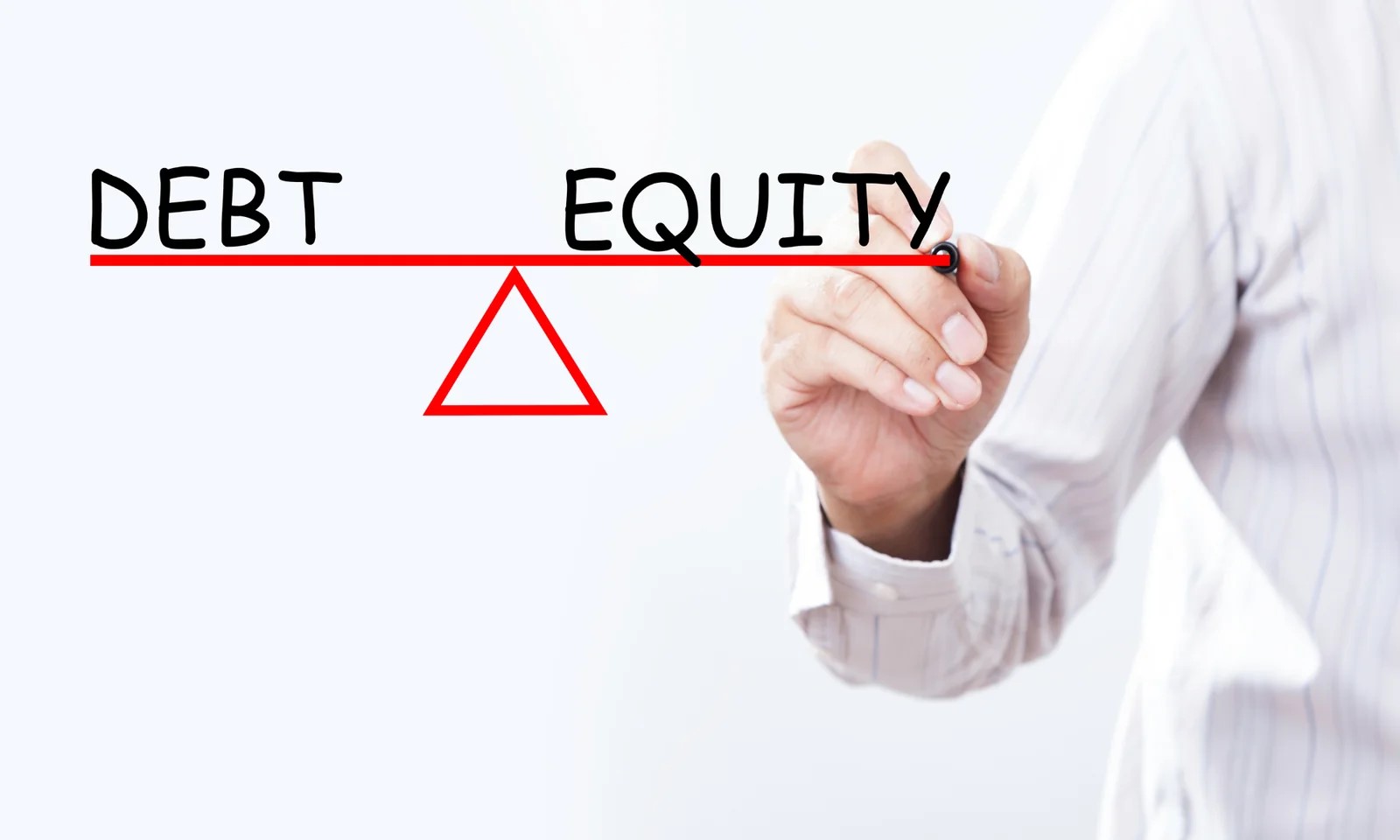
Before comparing outcomes, it is important to understand how equity and debt function within an investment structure.
Debt: Stability with Defined Returns
Debt sits at the top of the capital stack. It is typically secured by the underlying asset and receives priority repayment. Investors in debt positions earn fixed or semi-fixed returns through interest payments.
This structure offers consistency. Income is predictable and risk is relatively lower compared to equity. However, returns are capped. No matter how well the property performs, debt investors do not participate in the upside beyond agreed interest.
Equity: Ownership with Growth Potential
Equity sits below debt in the capital stack. Equity investors own a portion of the asset and benefit from its performance over time.
Returns come from multiple sources, including cash flow, appreciation and operational improvements. Unlike debt, equity has no predefined ceiling. The better the investment performs, the higher the potential return.
The trade-off is risk. Equity investors are paid after debt obligations are met which means exposure to market fluctuations and operational challenges is higher.
How Wealth Is Actually Created Over Time

To understand which strategy builds more wealth, you need to look beyond short-term returns and focus on long-term compounding.
Debt Builds Income, Not Wealth Acceleration
Debt investments are excellent for generating consistent income. They provide a steady yield and preserve capital during uncertain market conditions.
However, wealth accumulation through debt is linear. You earn interest, reinvest it and grow gradually. The lack of participation in appreciation limits exponential growth.
Debt is effective for capital preservation and income stability but it rarely creates transformative wealth on its own.
Equity Drives Compounding Growth
Equity, on the other hand, benefits from multiple layers of return that compound over time.
- Rental income produces ongoing cash flow
- Property appreciation increases asset value
- Strategic improvements can significantly boost returns
- Leverage amplifies gains when used responsibly
This combination creates a compounding effect. Over time, equity investments can scale in a way that debt simply cannot match.
Risk vs Reward: A Realistic Comparison

Every investment decision comes down to balancing risk and reward.
The Risk Profile of Debt
Debt investors are protected by their position in the capital stack. In the event of underperformance or distress, they are first in line for repayment.
This reduces downside risk. However, it also means limited upside.
Debt is best suited for investors who prioritize capital preservation and consistent income over growth.
The Risk Profile of Equity
Equity carries more exposure. Market downturns, operational inefficiencies or poor execution can impact returns.
But with this risk comes opportunity. Equity investors benefit directly from strong performance and can significantly outperform fixed-income strategies over time.
The key is disciplined underwriting, strong asset management and strategic execution.
The Role of Time in Wealth Creation

Time is one of the most important factors in determining investment success.
Short-Term Perspective
In the short term, debt often appears more attractive. Predictable income and lower volatility provide comfort, especially during uncertain periods.
Equity may take longer to realize its full potential. Early returns can be modest, particularly in value-add or development projects.
Long-Term Perspective
Over extended time horizons, equity consistently outperforms debt in wealth creation.
Appreciation, rent growth and reinvestment create a multiplier effect. Equity investments can grow exponentially while debt remains limited to its fixed return structure.
This is why many experienced investors shift toward equity as they build confidence and capital.
Inflation and Its Impact on Returns
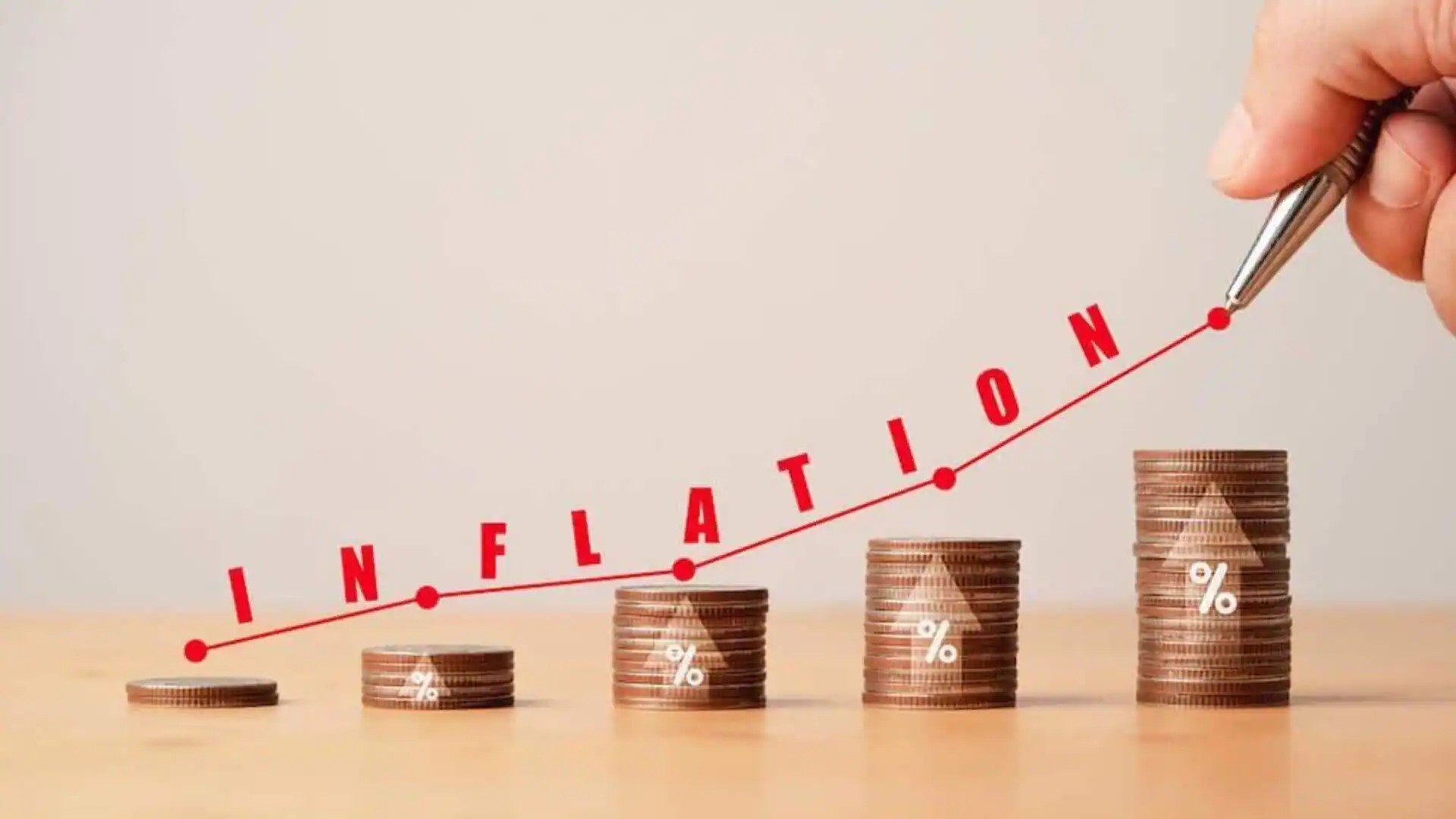
Inflation plays a critical role in shaping investment outcomes.
Debt and Inflation
Debt investments can lose purchasing power over time if interest rates do not keep pace with inflation.
Fixed returns may appear stable but their real value can decline.
Equity and Inflation
Equity has a natural advantage in inflationary environments.
- Property values tend to rise
- Rents can be adjusted over time
- Replacement costs increase, supporting asset pricing
This makes equity a more effective hedge against inflation and a stronger long-term wealth builder.
Liquidity and Flexibility Considerations

Liquidity is often overlooked but plays an important role in investment decisions.
Debt Offers More Predictability
Debt investments typically have defined terms. Investors know when they will receive payments and when capital will be returned.
This predictability makes planning easier.
Equity Requires Patience
Equity investments often require a longer commitment. Returns are tied to asset performance and exit strategies.
While less liquid, this structure encourages long-term thinking and allows the investment to fully mature.
Tax Efficiency and Wealth Preservation

Tax treatment can significantly impact net returns.
Debt Income Taxation
Interest income from debt is generally taxed as ordinary income. This can reduce overall returns especially in higher tax brackets.
Equity Tax Advantages
Equity investments often benefit from more favorable tax treatment.
- Depreciation can offset income
- Long-term capital gains may be taxed at lower rates
- Certain strategies allow for deferral of taxes
These advantages enhance after-tax returns and contribute to long-term wealth accumulation.
Choosing the Right Strategy: Debt, Equity or Both

The decision between debt and equity is less about which is better and more about what each is designed to achieve. Your choice should align with your goals, risk tolerance and investment timeline.
When Debt Makes Sense
Debt is built for stability and predictability. It is a strong option when your priority is consistent income, lower risk exposure and capital preservation.
Investors who prefer defined returns or shorter investment horizons often lean toward debt. It also plays an important role in a portfolio by providing balance and reducing overall volatility during uncertain market conditions.
When Equity Becomes the Better Choice
Equity is where long-term growth happens. It offers exposure to appreciation, rental increases and operational upside, all of which can significantly compound over time.
It is best suited for investors who can tolerate higher risk and are willing to commit capital for longer periods. For those focused on building meaningful wealth, equity often becomes the primary driver.
The Hybrid Approach: A Balanced Strategy
Many experienced investors combine both approaches rather than choosing one.
Debt provides steady income and protection while equity captures growth and upside. Together, they create a more resilient portfolio that can adapt across different market cycles, balancing stability with long-term wealth creation.
How Experienced Investors Think and Common Misconceptions

Experienced investors do not treat equity and debt as opposing choices. They view them as complementary tools and allocate capital based on market conditions, risk tolerance, investment timeline and overall portfolio objectives.
During uncertain periods, they often lean toward debt for stability and protection. In stronger growth cycles, they shift more capital into equity to capture upside. The advantage comes from staying flexible and making disciplined decisions rather than committing to a single approach.
At the same time, several misconceptions can lead investors in the wrong direction.
The idea that debt is always safe is not entirely accurate. While it offers a higher level of protection, outcomes still depend on the quality of the deal and underlying asset.
On the other hand, equity is often labeled as too risky. In reality, when managed properly, it can deliver significantly stronger long-term results. Risk is not something to avoid entirely but something to understand and control.
Another common mistake is believing you must choose between the two. The most effective strategies often combine both, using debt for stability and equity for growth.
Final Thoughts
The question is not whether equity or debt is better in isolation. It is about which strategy aligns with your long-term objectives.
Debt provides stability, income and protection. Equity offers growth, compounding and wealth creation potential.
For investors focused on building lasting wealth, equity tends to play a central role. Its ability to compound returns, benefit from appreciation and adapt to market conditions makes it a powerful tool over time.
That said, the most effective approach is rarely one-dimensional. A thoughtful combination of both strategies can create a balanced, resilient portfolio that performs across different market environments.
At Prawdzik Capitals, the focus is on disciplined investment selection, strategic capital deployment and active oversight. By aligning opportunities with long-term objectives, the goal is to help investors navigate both equity and debt structures in a way that maximizes outcomes while managing risk.
Building wealth is not about chasing returns. It is about making informed decisions, staying consistent and positioning capital where it can grow sustainably over time.
FAQs
Q1. Is equity always better than debt for long-term investing?
Not always. Equity generally offers higher long-term growth but it comes with more risk. Debt can be better for stability and income depending on your goals.
Q2. Can I invest in both equity and debt at the same time?
Yes. Many investors use a hybrid approach to balance risk and return, combining stable income from debt with growth potential from equity.
Q3. Why does equity outperform debt over time?
Equity benefits from appreciation, rent growth and compounding returns while debt is limited to fixed interest payments.
Q4. Is debt investing completely safe?
No investment is completely risk-free. While debt is generally safer than equity, it still depends on the quality of the underlying asset and borrower.
Q5. What type of investor should choose equity?
Investors focused on long-term wealth creation who can tolerate risk and commit capital for longer periods, are typically better suited for equity investments.