How Equity Participation Changes the Investor Return Profile: A Complete Guide to Building Long Term Real Estate Wealth

The Market Is Rewarding Investors Who Think Beyond Fixed Returns
Private real estate investing has evolved well beyond traditional lending and predictable interest payments. Investors today are looking for opportunities that offer stronger long term growth while creating income that can keep pace with changing market conditions. As a result, equity participation has become one of the most discussed strategies in private real estate investing.
Instead of earning only a fixed return, equity investors participate in the financial success of a project. Their returns are tied to property performance rather than a predetermined interest rate. This approach creates greater upside potential while introducing a different level of risk and responsibility.
For investors who want to build lasting wealth, understanding how equity participation changes the return profile is essential. It helps explain why many experienced investors include equity investments alongside debt investments to create a balanced portfolio.
This guide explains how equity participation works, how it affects returns, what factors influence performance and why many long term investors see it as an important part of a diversified investment strategy.
Understanding Equity Participation in Private Real Estate

Equity participation means owning a financial interest in a real estate project instead of acting as a lender. Rather than receiving scheduled interest payments, equity investors become partial owners of the investment.
Ownership gives investors the opportunity to benefit from the overall success of the project. Returns often come from multiple sources instead of just one predictable payment.
These may include:
- Cash flow generated during ownership
- Appreciation in property value
- Profits when the property is sold
- Refinancing proceeds in some projects
This structure creates a return profile that differs significantly from fixed income investments.
Instead of focusing only on income, equity participation combines income generation with capital appreciation. The result is greater long term wealth building potential when projects perform well.
Why Equity Returns Can Be Higher Than Fixed Income Investments
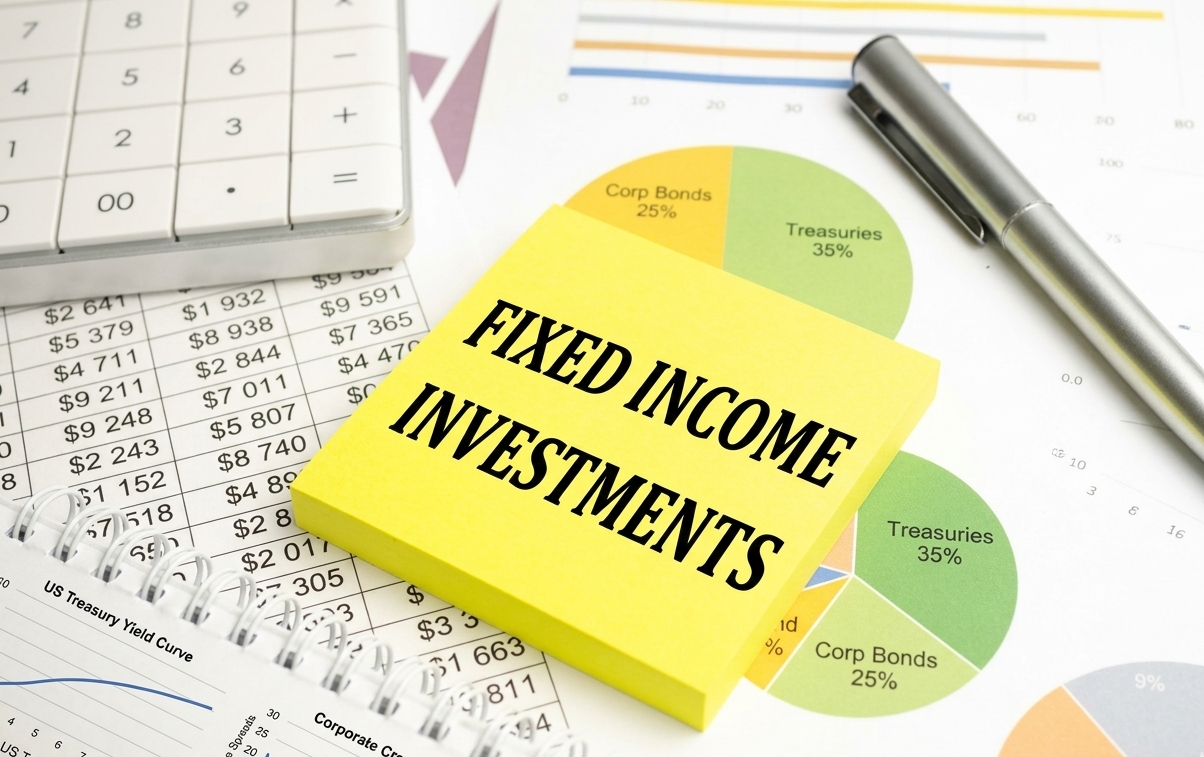
One of the biggest reasons investors consider equity participation is the possibility of earning higher overall returns.
Debt investors usually receive an agreed interest rate. Once those payments have been made, their return is complete.
Equity investors do not have a maximum return built into the investment.
If a project performs better than expected, investors may benefit from:
- Higher rental income
- Increased occupancy
- Better operating efficiency
- Rising property values
- Strong market demand
- Profitable asset sales
Every improvement in project performance has the potential to increase investor returns.
This creates a relationship between investment performance and investor success. Instead of receiving the same payment regardless of outcomes, equity investors participate in both growth and profitability.
Over multiple investment cycles, this difference can have a meaningful impact on long term portfolio growth.
How Equity Participation Changes the Overall Return Profile

Return profile refers to the balance between risk, income, growth and potential reward. Equity participation changes each of these components.
Income Potential
Income distributions may vary depending on property performance. Strong projects often generate attractive cash flow while weaker market conditions may temporarily reduce distributions.
Growth Potential
Property appreciation becomes an important part of total returns. If market values increase during the investment period, equity investors benefit from that growth.
Long Term Wealth Creation
Unlike fixed interest payments, equity returns can continue growing as property values increase over time. This creates opportunities for compound wealth rather than simply collecting interest income.
Return Flexibility
There is no fixed ceiling on performance. Successful projects can produce returns that exceed initial expectations, especially when property values rise and operational improvements increase profitability.
The Risk and Reward Relationship Investors Should Understand

Higher return potential almost always comes with additional risk.
Equity participation follows this principle.
Unlike lenders, equity investors do not have guaranteed interest payments.
Their returns depend on factors such as:
- Property management quality
- Market demand
- Construction execution
- Occupancy levels
- Financing costs
- Economic conditions
Because investors share ownership, they also share project outcomes. This does not mean equity investing is speculative by nature. Well managed projects with experienced sponsors often use careful planning, conservative underwriting and active asset management to reduce unnecessary risk.
Understanding how sponsors evaluate opportunities becomes an important part of investment due diligence. Experienced investors rarely evaluate return potential without also considering downside protection.
What Factors Have the Greatest Impact on Equity Returns?

Several variables influence how equity investments perform over time.
Property Selection
The quality of the underlying asset often determines long term performance. Properties with strong fundamentals generally have greater potential to produce stable income and appreciation.
Business Plan Execution
Every project follows a specific investment strategy.
Examples include:
- New development
- Property renovation
- Value add improvements
- Income stabilization
- Redevelopment
Execution quality directly affects investor returns.
Market Conditions
Real estate markets move through cycles. Supply, demand, interest rates, employment trends and economic growth all influence property values. Projects that adapt successfully to changing market conditions often produce stronger results.
Asset Management
Strong asset managers continually look for ways to improve performance. They monitor expenses, increase operational efficiency, improve tenant satisfaction and identify opportunities that increase long term value.
Exit Strategy
The timing and execution of the eventual sale or refinancing can significantly influence final investor returns. A well planned exit strategy is often just as important as the initial investment decision.
Comparing Equity Participation With Debt Investing

Many investors ask whether equity is better than debt. The answer depends on investment objectives rather than one strategy being universally superior.
Debt investing generally offers:
- More predictable income
- Lower investment risk
- Higher payment priority
- Fixed return expectations
Equity investing generally offers:
- Higher long term growth potential
- Participation in appreciation
- Multiple sources of return
- Greater upside opportunity
Many sophisticated investors combine both approaches.
Debt investments may provide portfolio stability while equity investments create opportunities for higher long term wealth creation. This balanced approach allows investors to manage risk without giving up growth potential.
How Equity Participation Supports Portfolio Diversification
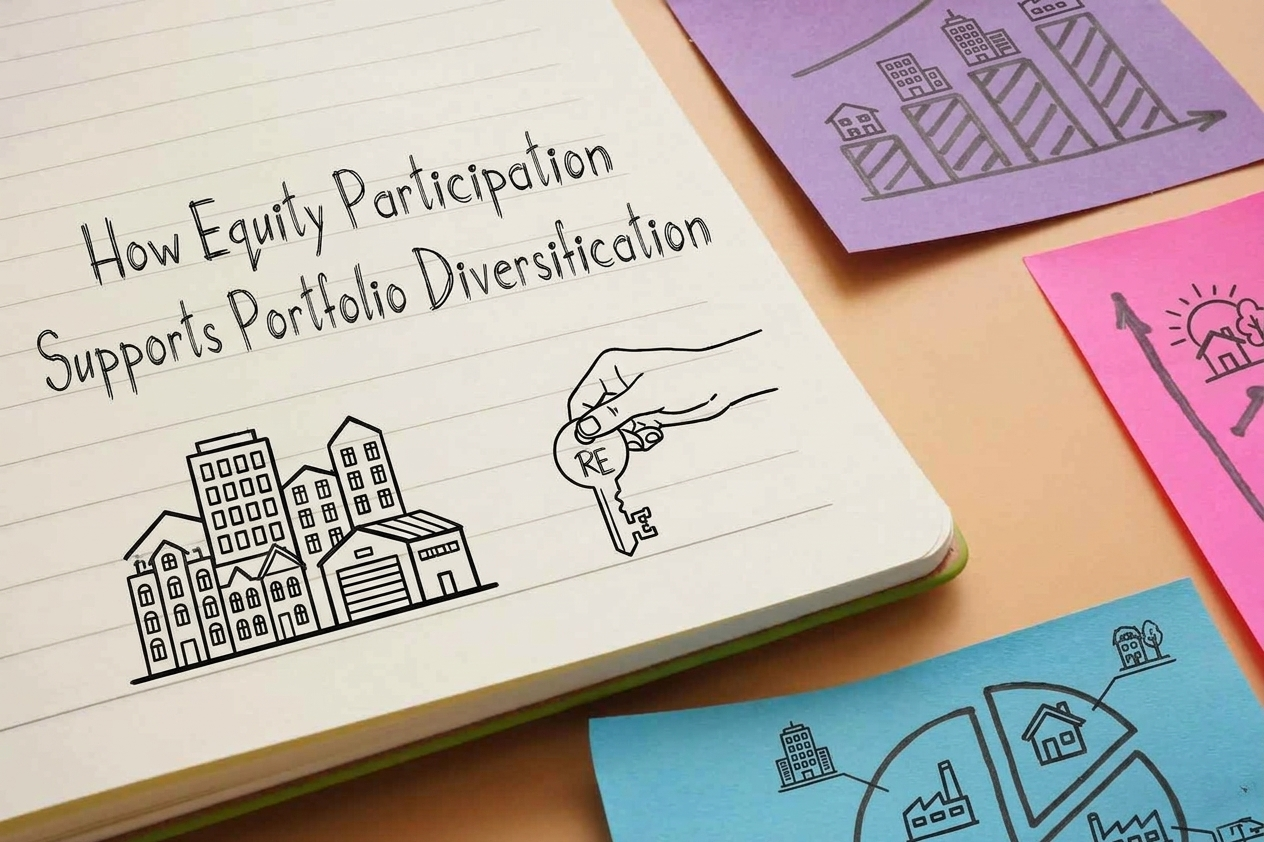
Building a diversified investment portfolio is about reducing dependence on a single source of returns. Equity participation gives investors exposure to private real estate while adding another layer of growth potential that complements traditional investments. Because real estate often follows different market cycles than stocks or bonds, it can contribute to a more balanced portfolio over time.
A diversified portfolio that includes equity investments may offer several advantages:
- Access to long term property appreciation
- Income generated through property operations
- Exposure to tangible real estate assets
- Multiple sources of potential returns
- Greater flexibility across changing market conditions
Rather than relying entirely on fixed income investments, many investors combine equity participation with other asset classes to pursue both stability and growth. This balanced approach can help manage risk while creating opportunities for stronger long term performance. When supported by careful investment selection and disciplined portfolio management, equity participation becomes an important component of a well-rounded investment strategy that is built for sustainable wealth creation.
How Investors Can Evaluate Equity Opportunities More Effectively

Not every equity investment offers the same return profile. Careful evaluation helps investors identify opportunities that align with their financial goals.
Several questions deserve attention before investing.
Does the Sponsor Have Experience?
A sponsor's track record often provides valuable insight into execution ability. Past performance does not guarantee future results. However, experience managing similar projects can improve investor confidence.
Is the Business Plan Realistic?
Conservative assumptions usually indicate disciplined underwriting. Investors should understand how returns will be generated rather than focusing only on projected percentages.
What Risks Have Been Identified?
Strong investment sponsors openly discuss potential risks along with mitigation strategies. Transparency is often a sign of professional investment management.
How Is Investor Capital Protected?
Every investment should explain capital structure, distribution priorities, and investor rights. Knowing where investor capital sits within the project helps clarify potential outcomes.
Does the Timeline Match Your Goals?
Some equity investments last only a few years while others require longer holding periods. The investment timeline should fit the investor's financial objectives and liquidity needs.
Why Equity Participation Continues to Attract Long Term Investors

Many investors are shifting their attention toward ownership because they recognize that wealth is often built through appreciating assets rather than fixed payments alone. Equity participation allows investors to benefit from both operational success and long term market growth.
While returns are less predictable than fixed income investments, the opportunity for higher appreciation and stronger overall performance makes equity attractive for investors with longer investment horizons.
As more investors seek diversification beyond traditional markets, private real estate equity continues to play an increasingly important role in portfolio construction. The decision should always begin with understanding personal financial goals, risk tolerance and investment timelines.
When those factors align, equity participation can become a valuable tool for building long term financial growth.
Final Thoughts
Equity participation changes the investor return profile by shifting the focus from fixed income toward long term wealth creation. Instead of receiving only predetermined interest payments, investors participate in property performance, appreciation and project profitability. This creates greater upside potential while requiring a thoughtful understanding of risk and investment strategy.
For investors seeking portfolio diversification and opportunities beyond traditional fixed income investments, carefully selected private real estate equity investments can offer meaningful long term value.
Prawdzik Capitals focuses on professionally managed private real estate investment opportunities designed around disciplined underwriting, experienced project management and long term value creation. By emphasizing transparency, strategic asset selection and responsible capital management, Prawdzik Capitals helps investors pursue growth while maintaining a disciplined investment approach.
Frequently Asked Questions
Q1. What does equity participation mean in real estate investing?
Equity participation means investing as a partial owner of a real estate project rather than acting as a lender. Investors earn returns based on the property's financial performance and potential appreciation.
Q2. Why can equity investments generate higher returns than debt investments?
Equity investments allow investors to share in rental income, property value growth and profits from the sale of the asset. Debt investments typically provide fixed interest payments without additional upside.
Q3. Is equity participation riskier than fixed income investing?
Yes. Equity investments generally carry more risk because returns depend on project performance. However, they also offer greater long term growth potential when investments perform well.
Q4. What factors influence returns from equity participation?
Key factors include property quality, market conditions, project execution, asset management, occupancy, operating income and the timing of the investment exit.
Q5. Should investors choose equity or debt investments?
The right choice depends on financial goals, investment timeline and risk tolerance. Many experienced investors include both equity and debt investments to create a diversified portfolio.