How Real Estate Equity Creates Value beyond Monthly Income: A Complete Guide for Long Term Investors

Many investors begin exploring real estate because they want reliable monthly income. Rental distributions can provide steady cash flow and help support long term financial goals. While that income is important, it represents only one part of the value that real estate equity can create.
Real estate equity investments often generate returns in several ways over the life of an investment. Property appreciation can increase value over time. Operational improvements may raise income and strengthen asset performance. Better financing strategies can improve overall returns. A successful sale can also unlock value that has been building for years.
Each stage of an investment can contribute to long term wealth when a property is managed with a clear business plan. Looking at the complete picture helps investors understand how equity investments can deliver value long after the first monthly distribution.
Understanding these drivers helps investors look beyond monthly distributions and evaluate the full potential of a real estate investment. When investors recognize how equity creates long term value, they can make more informed decisions and build stronger portfolios.
Understanding How Real Estate Equity Creates Value
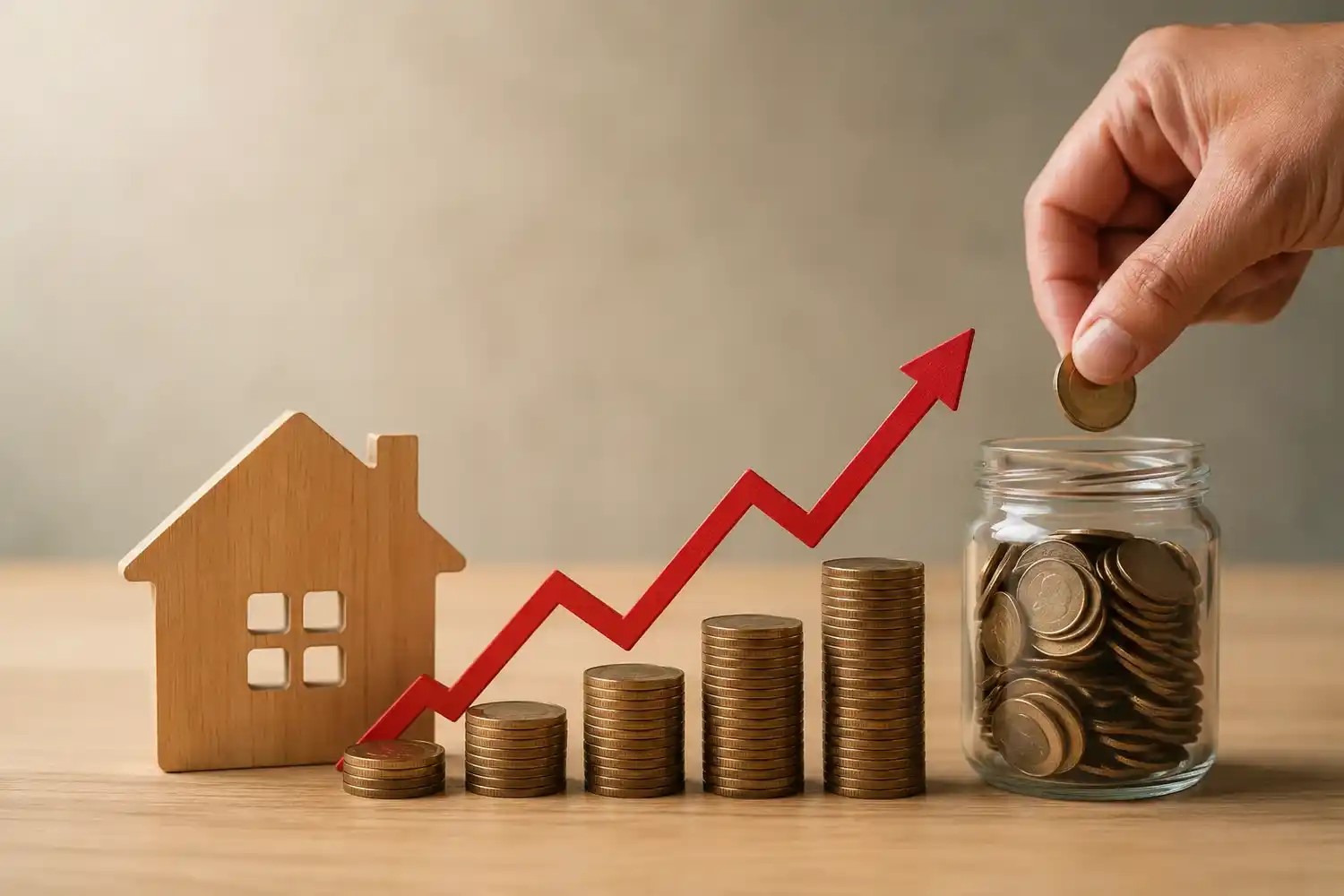
Real estate equity represents ownership in a property rather than a loan. Equity investors benefit when the property's value grows and its financial performance improves. Unlike debt investments that usually earn fixed interest, equity investments offer greater upside because returns are tied to the property's overall success.
Monthly distributions are often generated from rental income after operating expenses have been paid. These payments provide steady cash flow during the investment period. However, they represent only one part of the total return. Long term value often comes from property appreciation and stronger financial performance. As a property becomes more valuable, equity investors may receive higher returns when the investment reaches its planned exit.
Properties that increase income, reduce expenses or improve occupancy can create additional equity over time. This combination of current cash flow and future appreciation is one reason many investors include real estate equity in a diversified investment portfolio and focus on long term wealth creation rather than income alone.
Property Appreciation Can Increase Long Term Wealth

Property appreciation is one of the strongest drivers of long term equity growth. A property's value can increase because of stronger demand. Economic growth can also support higher values. Better property management and improved market conditions may add even more value over time.
Commercial properties are often valued by the income they produce. As rental income grows the property's value may also increase. Stronger financial performance can make the property more attractive to future buyers. This gives equity investors the chance to earn returns that go beyond monthly cash flow.
Natural appreciation can also help build long term wealth as real estate markets change. Investors who focus only on monthly distributions may miss this important source of value. Higher property values can improve total investment returns. They can also help investors build wealth over time and move closer to their long term financial goals.
Operational Improvements Can Build Additional Equity

Many real estate equity investments are designed to create value through active management instead of relying only on market appreciation. A well planned business strategy can improve both property performance and long term investor returns.
Property managers may improve leasing strategies to reduce vacancy and attract quality tenants. Higher occupancy often leads to stronger rental income. Management teams may also lower operating costs by negotiating better service contracts or improving day to day efficiency. These efforts can increase net operating income and strengthen the property's financial performance.
Physical improvements also add value. Renovated common areas can make a property more attractive. Modern building systems may reduce maintenance costs and improve efficiency. Updated amenities can improve tenant satisfaction and encourage longer lease terms.
Each improvement strengthens the property over time. Better financial performance can increase the property's value. Equity investors benefit because these gains may lead to stronger returns when the investment reaches its planned exit.
Strong Leasing Strategies Support Higher Property Values

Leasing plays a major role in the success of commercial real estate investments. A property with stable occupancy and reliable tenants is more likely to generate consistent income. This creates a stronger financial foundation and supports long term investment performance.
Renewing leases at higher rental rates can increase property revenue. Filling vacant space with qualified tenants also improves cash flow. Lower vacancy reduces financial uncertainty and helps create a more stable income stream.
Longer lease agreements provide added stability because they keep income flowing over extended periods. Properties with dependable tenants are often viewed as lower risk investments. This can make them more attractive to buyers and investors.
Commercial property values are closely tied to the income they produce. Better leasing performance often leads to higher property values. Strong occupancy and reliable rental income can support both steady monthly distributions and greater equity growth over the life of the investment.
Smart Financing Decisions Can Improve Investor Returns

Financing is an important part of many real estate equity investments. The right financing strategy can improve property performance and support stronger long term returns. Experienced sponsors often review financing options as market conditions change.
Lower interest rates can reduce borrowing costs and improve cash flow. Refinancing at the right time may also provide capital for property upgrades or other planned improvements. These changes can strengthen the overall investment without changing the property's core business plan.
Careful debt management also supports financial flexibility. Maintaining appropriate leverage helps manage risk while creating opportunities for future growth. A balanced approach allows sponsors to respond to changing market conditions more effectively.
Financing alone does not create value. However, it can support a stronger investment strategy when combined with good property management and operational improvements. Investors should evaluate how financing decisions fit within the sponsor's long term business plan instead of focusing only on current monthly income.
The Exit Strategy Often Unlocks the Greatest Value

The exit strategy is one of the most important parts of a real estate equity investment. It is often the stage where investors realize much of the value created during the holding period. A well planned exit can significantly increase total investment returns.
Over time a property may grow in value through appreciation, stronger leasing, operational improvements and better financial performance. These gains often become fully visible when the property is sold. Investors may receive a meaningful share of the value that has been built over several years.
Some sponsors may choose to refinance instead of selling the property. A refinance can return capital to investors while allowing the investment to continue generating income and future growth. This approach may extend the property's earning potential without requiring a sale.
Understanding the planned exit strategy helps investors see how long term value may be created. It also provides a clearer picture of the investment's overall return potential beyond monthly income.
Looking Beyond Monthly Income Leads to Better Investment Decisions

Monthly distributions are important because they provide ongoing income and demonstrate that a property is producing cash flow. However, they should never be viewed as the only measure of investment success.
Investors should also evaluate the quality of the property, the experience of the sponsor, the business plan, leasing performance, renovation opportunities, financing strategy and long term appreciation potential. A property that produces modest monthly income today may create significant wealth over time if management successfully improves operations and increases property value.
Likewise, an investment offering unusually high current income may have limited long term growth if the property lacks appreciation potential or faces operational challenges. Looking at the complete investment picture helps investors make more balanced decisions and better understand where future returns may come from.
Successful real estate investing often requires patience. Value is usually created over several years through consistent execution rather than short term performance alone.
Final Thoughts
Real estate equity creates value through much more than monthly income. Cash flow remains an important benefit because it provides ongoing returns during the investment period. At the same time, appreciation, operational improvements, stronger leasing, strategic financing and well planned exit strategies can significantly increase the total value of an investment.
Investors who understand these different sources of return are better prepared to evaluate opportunities with a long term perspective. Rather than focusing only on current distributions, they can assess how each property is positioned to create sustainable growth over time.
A disciplined investment approach that considers both income and long term value creation can lead to stronger portfolio performance and greater financial confidence. Working with experienced investment firms such as Prawdzik Capitals can also help investors identify opportunities that focus on building lasting equity while managing risk through thoughtful real estate strategies.
Frequently Asked Questions
Q1. What is real estate equity investing?
Real estate equity investing involves owning a share of a property. Investors earn returns through rental income, property appreciation and the eventual sale or refinancing of the asset.
Q2. Is monthly income the only source of return in real estate equity?
No. Investors may also benefit from property appreciation, operational improvements, increased rental income, refinancing opportunities and profits generated when the property is sold.
Q3. How do property improvements increase equity value?
Renovations, better management, higher occupancy and reduced operating costs can improve a property's financial performance. Stronger performance often increases the property's market value.
Q4. Why is the exit strategy important in real estate investing?
The exit strategy determines how investors may realize the value created during the holding period. A successful sale or refinance can generate a significant portion of the total investment return.
Q5. What should investors evaluate besides monthly distributions?
Investors should review the property's growth potential, sponsor experience, leasing strategy, financing plan, operational improvements, market outlook and long term appreciation opportunities before making an investment decision.