Liquidity in Private Equity Real Estate: How to Set Clear Investor Expectations and Build Long Term Confidence

Investors today have more choices than ever before. Public stocks, bonds, money market accounts, exchange traded funds and private market opportunities all compete for attention. While many investors focus heavily on potential returns, one factor often receives less attention during the decision-making process: liquidity.
Liquidity can significantly influence an investor's experience, especially in private equity real estate. Unlike publicly traded securities that can often be bought or sold within minutes, private real estate investments typically require patience and a longer time horizon. This characteristic is not a flaw. In many cases, it is one of the reasons private real estate can create attractive opportunities.
The challenge arises when investors enter a private equity real estate investment without fully understanding how liquidity works. Unrealistic expectations can lead to frustration even when an investment is performing exactly as intended. That is why liquidity conversations are among the most important discussions investors and sponsors can have before capital is committed.
Understanding what liquidity means, why private real estate operates differently and how to set realistic expectations can help investors make more informed decisions and maintain confidence throughout the investment lifecycle.
Understanding Liquidity in Private Equity Real Estate

Liquidity refers to how easily an investment can be converted into cash without significantly affecting its value.
Publicly traded assets generally offer high liquidity. Investors can sell shares on an exchange during market hours and access cash relatively quickly. Private equity real estate operates differently because ownership interests are not actively traded on public markets.
When investors commit capital to a private real estate investment, they are typically purchasing an ownership stake in a property or portfolio of properties. These assets require time to acquire, manage, improve, stabilize and eventually sell. As a result, capital is often committed for several years.
This structure creates what is commonly known as an illiquid investment. Investors should understand that limited liquidity is often a fundamental feature of private equity real estate rather than a temporary inconvenience.
The most successful investors recognize this distinction before investing. They understand that the investment strategy is designed around long term value creation rather than immediate access to funds.
Why Private Equity Real Estate Investments Are Less Liquid

Many investors ask why private real estate investments cannot simply be sold whenever they choose. The answer lies in the nature of the underlying asset.
Real estate transactions are complex. Selling a property typically involves property evaluations, buyer negotiations, financing approvals, inspections, legal reviews and closing processes. These steps take time and cannot be completed instantly.
In addition, private real estate sponsors often develop business plans that require several years to execute effectively. These plans may include:
- Property renovations
- Operational improvements
- Lease restructuring
- Tenant retention strategies
- Market repositioning
- New development projects
The value created through these initiatives often materializes gradually rather than immediately.
If investors could freely enter and exit at any moment, sponsors might be forced to sell properties before business plans are fully realized. This could negatively affect overall performance and reduce potential returns for all investors involved.
Limited liquidity allows investment managers to focus on executing strategic plans without being pressured by short term market fluctuations or redemption demands.
The Difference Between Illiquidity and Risk
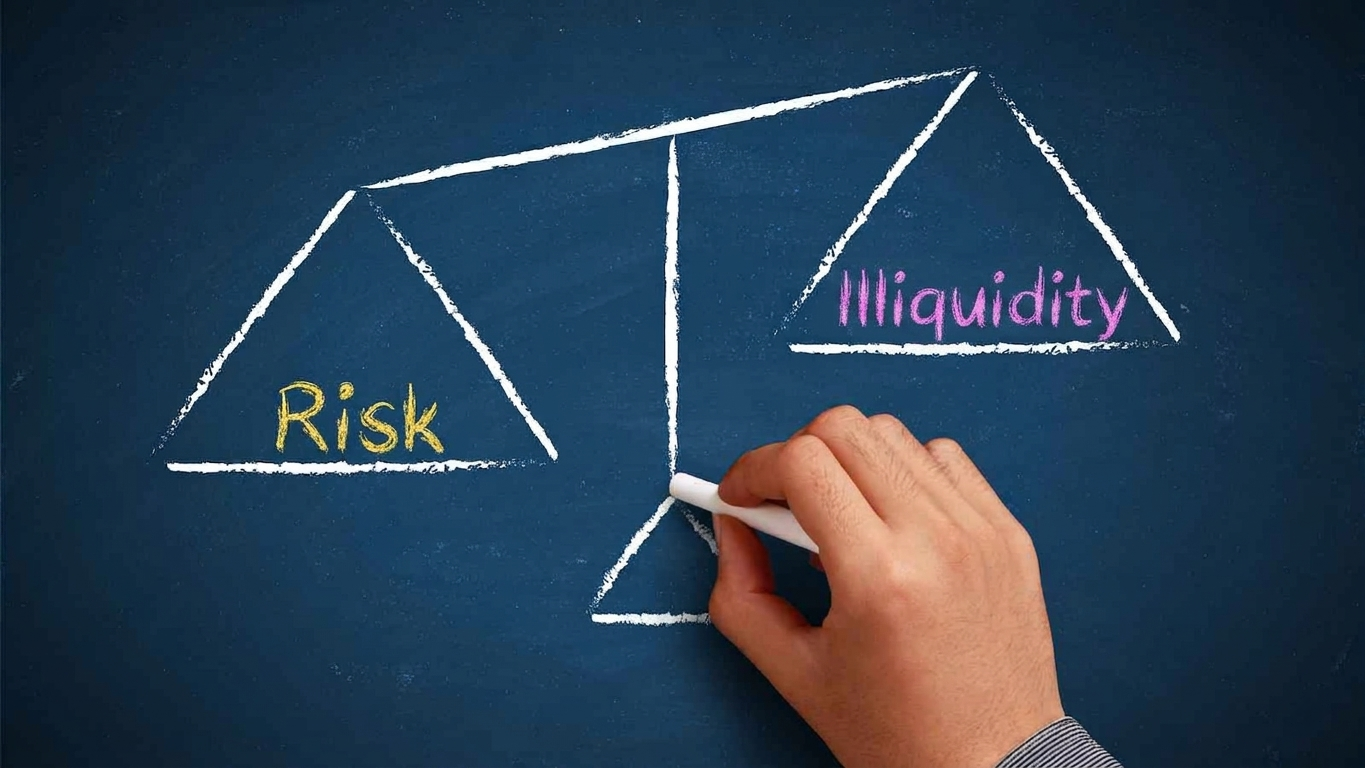
One of the most common misconceptions in investing is the belief that illiquidity automatically means higher risk.
While liquidity risk is certainly a factor investors should evaluate, illiquidity itself is not necessarily negative. In fact, many successful institutional investors allocate substantial capital to private investments precisely because they can tolerate longer holding periods.
Liquidity and risk are related but separate concepts.
A highly liquid investment can still experience significant volatility and losses. Similarly, an illiquid investment may provide stable cash flow and long term appreciation potential.
The key is understanding what type of risk an investor is accepting.
With private equity real estate, investors are often exchanging immediate liquidity for potential benefits such as:
- Access to private market opportunities
- Potential income distributions
- Value creation through active management
- Reduced exposure to daily market volatility
- Long term appreciation potential
This tradeoff should be clearly understood before making an investment commitment.
Investors who align their expectations with the investment structure are generally better positioned to remain confident throughout the holding period.
Setting Realistic Time Horizon Expectations

One of the most important liquidity conversations centers on investment timelines.
Private equity real estate is typically designed as a long term investment strategy. Depending on the project, investors may be committed for several years before a full liquidity event occurs.
Sponsors often establish target holding periods based on factors such as:
- Property type
- Market conditions
- Business plan objectives
- Financing structures
- Development timelines
Investors should review these projected timelines carefully.
A five year investment should be viewed as a five year commitment rather than a short term opportunity with guaranteed early liquidity. While circumstances may change and properties may be sold sooner than expected, investors should not base their decisions on optimistic assumptions.
Setting realistic expectations from the beginning reduces the likelihood of disappointment later.
Investors should ask themselves several questions:
- Will I need this capital within the next few years?
- Do I have sufficient emergency reserves elsewhere?
- Does this investment align with my broader financial goals?
- Am I comfortable with a longer holding period?
Answering these questions honestly can help determine whether private equity real estate is an appropriate fit.
Common Liquidity Misunderstandings That Create Investor Frustration
Many investor concerns arise not because an investment failed, but because expectations were never properly established.
Several misunderstandings frequently appear in private equity real estate investing.
Assuming Liquidity Will Always Be Available
Some investors mistakenly believe there will always be an easy exit option. In reality, secondary markets for private investments are often limited and may involve discounts to fair value.
Confusing Projected Timelines With Guarantees
Target hold periods are estimates rather than promises. Market conditions, financing environments and property performance can influence exit timing.
Expecting Public Market Flexibility
Private investments operate differently than publicly traded securities. Investors should not expect daily pricing or instant transactions.
Overlooking Personal Cash Needs
Investors sometimes allocate too much capital to illiquid investments without considering future financial obligations.
Focusing Only on Returns
Potential returns often receive significant attention during investment discussions. Liquidity deserves equal consideration because it directly affects the investor experience.
Clear communication can prevent these misunderstandings and create stronger long term relationships between investors and sponsors.
Questions Investors Should Ask Before Investing

Strong liquidity conversations begin with asking the right questions.
Before committing capital to a private equity real estate investment, investors should seek clarity on several key areas.
What Is the Expected Holding Period?
Understanding the projected investment timeline provides a foundation for evaluating suitability.
Are There Redemption Options?
Some investment structures offer limited redemption programs or liquidity windows. Investors should understand any restrictions and associated conditions.
What Factors Could Extend the Timeline?
Market shifts, financing changes or operational challenges can affect projected exits. Investors should understand these possibilities.
How Are Distributions Handled?
Investors should understand how and when distributions may occur throughout the investment period. They should also understand whether the investment is expected to generate periodic distributions and how those distributions may be affected by property performance and market conditions. While distributions can provide ongoing income, they are not guaranteed and may vary over time based on the results of the underlying assets.
What Is the Exit Strategy?
A well-defined exit strategy demonstrates how the sponsor intends to create liquidity and return investor capital.
How Does This Investment Fit Into My Portfolio?
Private equity real estate often works best as one component of a diversified investment strategy rather than a complete portfolio solution.
These conversations help investors make decisions based on facts rather than assumptions.
Why Transparency Creates Better Investor Relationships

Liquidity discussions are not simply about explaining restrictions. They are about building trust.
Investors appreciate transparency, especially when discussing topics that may be viewed as limitations. Sponsors who clearly explain timelines, risks, cash flow expectations and exit strategies often establish stronger long term credibility.
Transparency creates several benefits:
- Better investor confidence
- Reduced misunderstandings
- More realistic expectations
- Stronger investor retention
- Improved communication throughout the investment lifecycle
When investors understand exactly what they are buying, they are more likely to remain focused on the long term strategy rather than reacting emotionally to short term events.
The strongest investment relationships are often built on education and clarity rather than sales presentations.
Final Thoughts
Liquidity is one of the defining characteristics of private equity real estate investing. While limited liquidity may initially seem like a disadvantage compared to publicly traded assets, it often supports the long term strategies that drive value creation within private markets.
Investors who understand the difference between liquidity, risk, cash flow and investment timelines are better equipped to make informed decisions. By setting proper expectations from the beginning, investors can avoid unnecessary frustration and maintain confidence throughout the investment journey.
Successful private equity real estate investing is not simply about pursuing returns. It is about aligning investment structures with financial goals, time horizons and personal liquidity needs. When those elements work together, investors can approach opportunities with greater clarity and conviction.
At Prawdzik Capitals, we believe that transparent conversations about liquidity, risk and long term investment strategy help investors make smarter decisions and build stronger portfolios. Clear expectations today often lead to greater confidence and better outcomes tomorrow.
FAQs
Q1. What does liquidity mean in private equity real estate?
Liquidity refers to how quickly an investment can be converted into cash. Private equity real estate investments are generally less liquid because properties and ownership interests are not traded on public exchanges.
Q2. Why are private real estate investments considered illiquid?
These investments typically involve physical assets that require time to buy, manage, improve and sell. Investors often commit capital for several years while the business plan is executed.
Q3. Does illiquidity make private equity real estate riskier?
Not necessarily. Illiquidity is a characteristic of the investment structure, while risk relates to the potential for loss. An investment can be illiquid and still provide attractive long term opportunities.
Q4. Can investors receive income during the holding period?
Many private equity real estate investments distribute cash flow generated from property operations. However, distributions vary and are not guaranteed.
Q5. How can investors determine if an illiquid investment is right for them?
Investors should evaluate their financial goals, cash reserves, time horizon and future liquidity needs before committing capital to a private equity real estate investment.