Real Estate Equity and the Power of Value Creation Over Time

Real Estate Equity Is Becoming a More Important Part of Long-Term Wealth Strategy
Real estate investors are paying closer attention to how wealth is created over time. Market cycles can change quickly. Interest rates can move. Property values can rise and fall. Yet one factor continues to play a central role in long-term real estate performance: equity.
Real estate equity represents the portion of a property that an investor actually owns after accounting for debt. It can grow through loan principal reduction. It can also increase when a property becomes more valuable. More importantly, active investors can create additional equity by improving the underlying asset.
This is where value creation becomes especially important.
A property does not always need to rely on market appreciation to become more valuable. Strategic renovations, better property management, improved operations and stronger income can all contribute to higher property value.
For investors with long-term goals, this creates an important distinction. The goal is not simply to own real estate. The goal is to own assets that can become more valuable through thoughtful decisions and disciplined execution.
Understanding the connection between real estate equity and value creation can help investors evaluate opportunities with a longer-term perspective.
How Real Estate Equity Builds Over Time

Real estate equity can grow through several factors that work together over the life of an investment. This makes equity an important part of long-term real estate wealth building.
Common sources of equity growth include:
- Property appreciation
- Mortgage principal reduction
- Property improvements
- Higher rental income
- Better operating efficiency
- Strategic repositioning
- Development or redevelopment
- Stronger market appeal
For example an investor may purchase a property with stable income and clear room for improvement. The investor can upgrade the property and improve its operations. If these changes increase income potential then the property may also become more valuable.
Loan principal reduction can create another layer of equity. As the outstanding debt decreases the owner's share of the property increases.
Consider a simple example. An investor purchases a property for $1 million with $700,000 in financing. The initial equity is $300,000. Over several years the investor pays down $100,000 in principal. The property's value also rises to $1.2 million.
The investor now has approximately $600,000 in equity before transaction costs and other factors.
This shows how multiple equity-building forces can work together. Over time, these factors can strengthen an investor's financial position and support long-term wealth creation.
Value Creation Can Be More Powerful Than Passive Appreciation
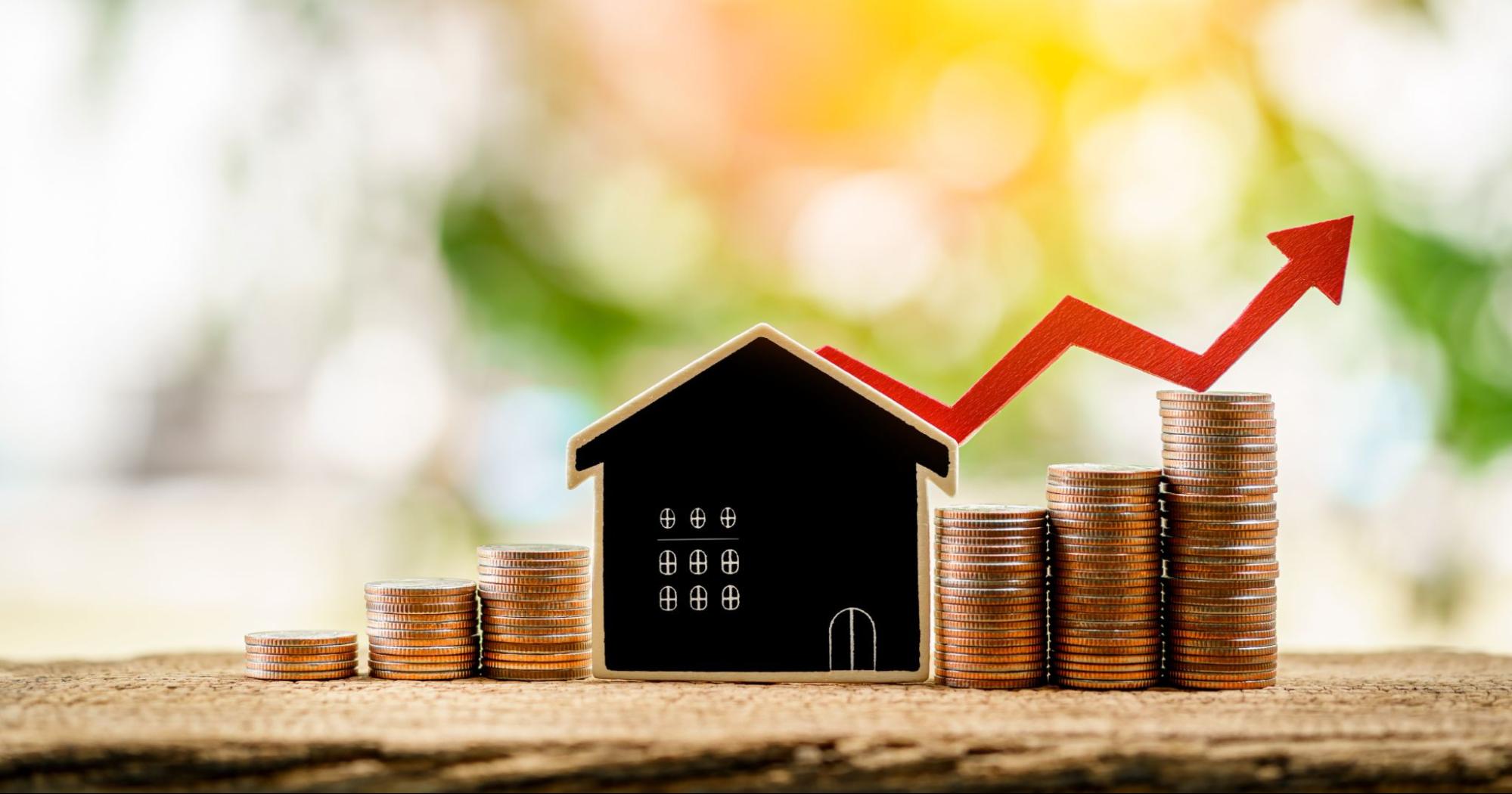
Market appreciation can increase real estate values. However investors have limited control over broader market conditions. Value creation offers a more active opportunity because investors can influence the performance of an asset through decisions.
Improving the Physical Asset
Renovations can improve the function and appeal of a property. An outdated asset may have potential when kitchens, bathrooms layouts or common areas are upgraded. The goal is not to spend money on cosmetic changes alone. Improvements should support higher income, stronger demand or property value.
Increasing Property Income
Income plays an important role in many real estate valuations. Investors can increase rental income through better occupancy or rent adjustments. Adding revenue-producing features can also improve performance and support higher value.
Improving Operations
Better operations can create value without major construction. Efficient maintenance can reduce costs. Strong tenant management can improve retention. Professional oversight can help identify problems before they become expensive.
Each improvement may seem modest on its own. Together they can strengthen net operating income and asset performance. The strongest investment strategies often combine several value creation methods. This approach can create equity growth without relying entirely on passive market appreciation.
Why Time Matters in Real Estate Equity Growth
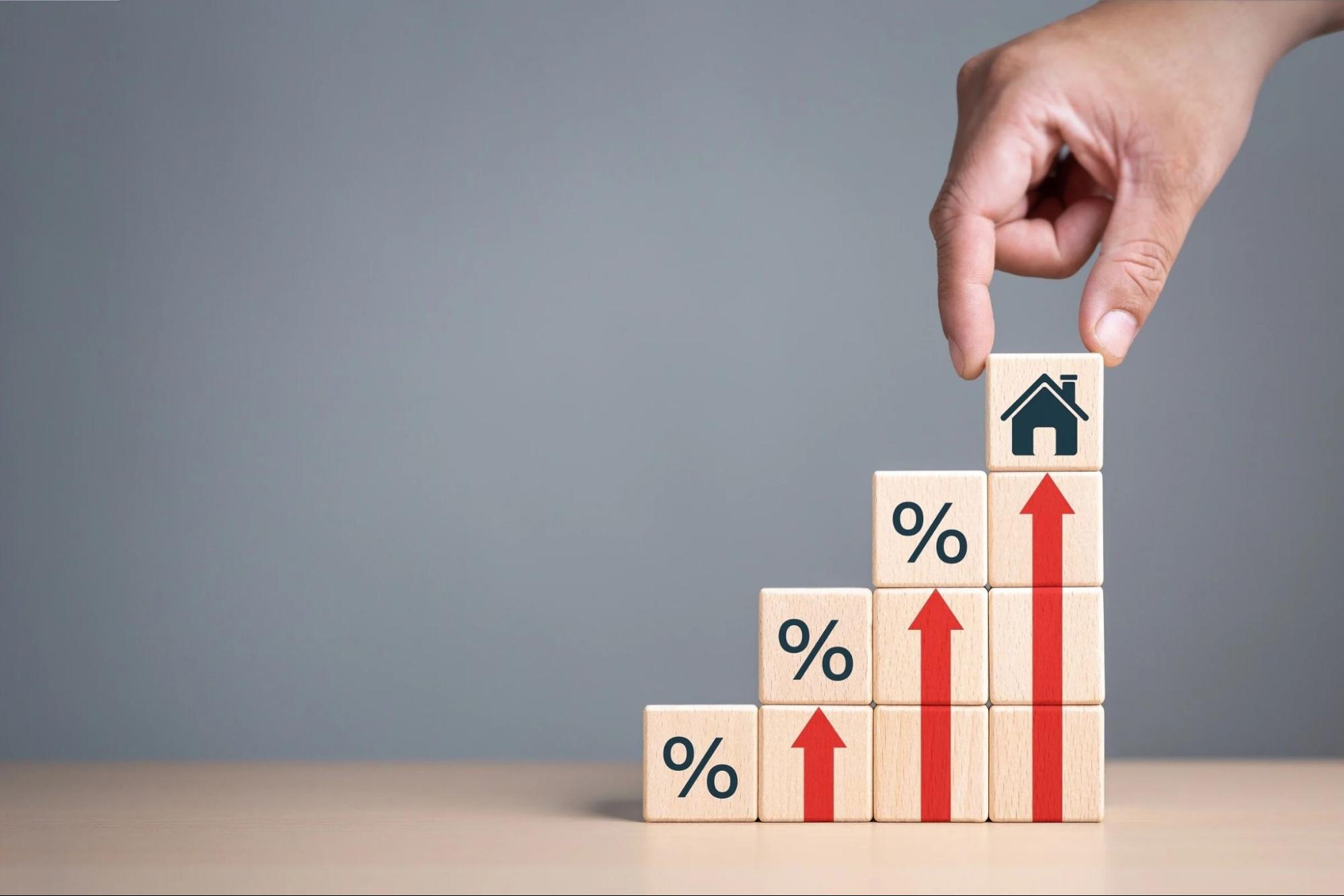
Time can have a powerful effect on real estate equity. Long-term ownership gives investors more opportunity to benefit from wealth-building forces.
Property owners may benefit from:
- Loan principal reduction
- Long-term income growth
- Property improvements
- Better operating performance
- Market appreciation
- Reinvestment of capital
However not every property will increase in value. Performance depends on asset quality financing market conditions and execution.
Time gives investors more opportunity to improve an asset and capture results. A property that produces modest returns today may become more valuable after several years of disciplined ownership.
This is why investors should look beyond the initial purchase price. They should also consider future potential and opportunities to improve performance.
The key question is simple:
What can this property become over time?
This shifts the focus from short-term pricing toward long-term value. Patience and strategic improvements can support stronger equity growth.
Equity Growth Depends on Creating Real Economic Value

Not every renovation creates meaningful equity. This matters when investors allocate capital.
Spending $100,000 on improvements does not guarantee that a property will become $100,000 more valuable. The investment must create value.
An investor may spend heavily on upgrades that have little effect on rental income or market demand. The investor may struggle to recover the cost.
A better approach is to focus on improvements linked to financial performance.
Investors should ask:
- Will it increase rental income?
- Will it reduce operating expenses?
- Will it improve occupancy?
- Will it attract stronger tenants?
- Will it extend the property's useful life?
- Will it strengthen market appeal?
- Will buyers value the asset more?
These questions help separate productive spending from unnecessary costs.
Value creation should serve a clear purpose today and over time. Strong strategies connect improvements to income growth and long-term property value.
The Relationship Between Income and Property Value
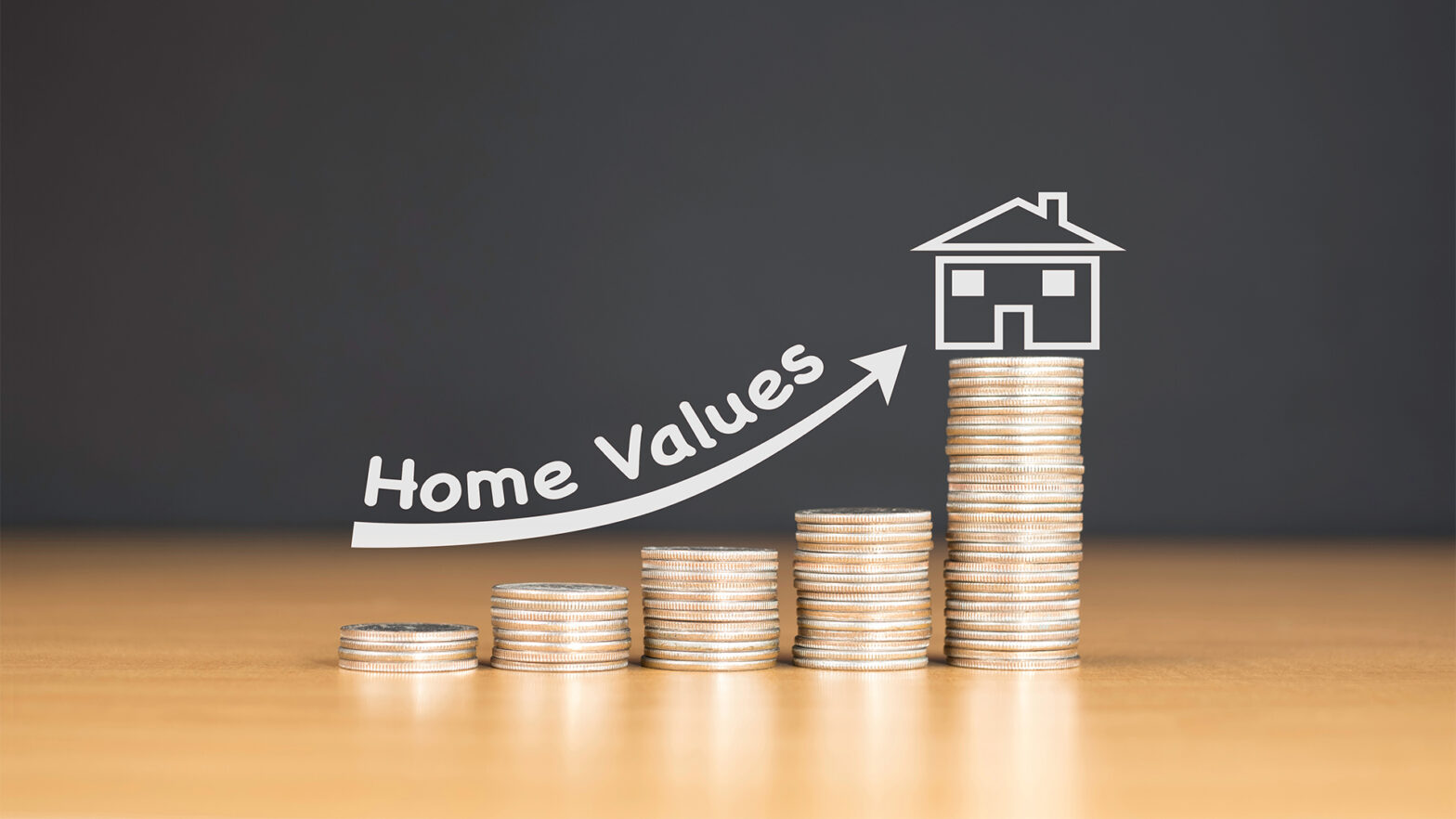
Income and equity are connected in commercial real estate. When a property's net operating income increases its value may also increase based on market conditions.
Consider a simple example.
A property generates $100,000 in annual net operating income. If similar properties trade at a 5% capitalization rate then the implied value is approximately $2 million.
Now imagine improvements increase annual net operating income to $125,000. At the same 5% capitalization rate the implied value rises to approximately $2.5 million.
The $25,000 increase in income could support a substantial increase in property value.
Actual valuations are more complex. Market conditions and buyer demand influence value. Still the example highlights an important principle.
Improving income can create equity.
This is why investors focus on operational performance rather than property prices alone. A strong asset can become more valuable when its economics improve.
A Long-Term Approach Can Change How Investors Evaluate Opportunities

Short-term thinking can make investors focus heavily on acquisition price. Long-term thinking requires a broader view of the property's potential.
Investors should consider:
Current Performance:
Review income expenses, occupancy and physical condition.
Value Creation Potential:
Identify realistic ways to improve the asset.
Capital Requirements:
Estimate the funding needed for improvements.
Financing Structure:
Consider how debt affects cash flow risk and future equity.
Exit Potential:
Evaluate possible results from selling or refinancing after improvements.
Long-Term Marketability:
Consider future demand from tenants and buyers.
This approach creates a more complete picture of an investment. A property with a higher purchase price may offer greater potential than a cheaper property with limited upside.
The key is understanding where future value can come from. Investors who identify strong value creation opportunities can make better decisions based on long-term potential rather than focusing only on today's purchase price.
Real Estate Equity Can Support Multiple Investment Outcomes

Growing equity can give investors several strategic options. They can hold a property and continue collecting income. They may refinance after the property gains value. They may also sell the asset and redeploy capital into another opportunity.
This flexibility becomes more valuable as an investment portfolio grows.
For example:
An investor may acquire an underperforming property and improve its operations. Once income and property value increase the investor may have more choices than were available at acquisition.
The investor could:
- Continue holding the property
- Refinance the asset
- Use equity for another investment
- Sell the property
- Reinvest proceeds into a larger opportunity
- Diversify into another strategy
The right choice depends on investment goals, financing conditions, risk tolerance and tax considerations.
Equity is more than a balance sheet figure. It can provide financial flexibility and support future investment decisions.
Building Wealth Through Intentional Real Estate Value Creation

Real estate equity may grow slowly at first. Over time, the results can become more significant. The goal is not simply to own property for many years. It is to own assets with a strong foundation and a clear path toward improvement.
Successful value creation requires discipline. Investors should understand an asset before making major decisions. They should identify improvements that can produce measurable results. They must also control costs and execute the investment plan effectively.
A long-term strategy can focus on three objectives:
Acquire well. Improve strategically. Hold with purpose.
This framework helps investors move beyond speculation. Instead of relying entirely on rising property prices investors can focus on improving the underlying economics of an asset.
This approach can create a more active path toward equity growth and long-term wealth creation.
Final Thoughts:
Real estate equity can become a powerful driver of long-term wealth creation. It can grow through appreciation, debt reduction and active value creation. When these factors work together, an investment may become more valuable over time.
Strong opportunities often provide a clear path for improving the underlying asset. This may involve renovations, income growth, better operations or strategic repositioning.
The central idea is simple:
Value creation can turn time into an investment advantage.
Investors can evaluate opportunities by considering what an asset is worth today and what it could become tomorrow.
Prawdzik Capitals reflects a focus on disciplined investment and long-term value creation. A thoughtful real estate strategy can help investors look beyond short-term market movements and focus on building equity through strong assets.
Frequently Asked Questions
Q1. What is real estate equity?
Real estate equity is the portion of a property's value owned after debt is subtracted. It can grow through appreciation or debt reduction.
Q2. How does value creation increase equity?
Improvements can increase income property quality or operating performance. When value rises these improvements can create additional equity.
Q3. Is equity created only through appreciation?
No. Equity can also grow through principal reduction. Higher income, lower expenses and strategic improvements can also increase equity.
Q4. Why is time important for real estate returns?
Time allows investors to benefit from debt reduction. It also supports income growth appreciation and value creation over the long term.
Q5. What should investors consider when evaluating value creation?
Investors should review current performance and improvement potential. They should also assess required capital financing and expected future value. A strong strategy should connect investment decisions with measurable economic benefits. It should also consider long-term market demand and realistic exit potential.