Why Equity Often Delivers Greater Returns Than Debt in Value Add Real Estate Investments

Investment opportunities have become increasingly diverse over the past several years, giving investors more choices than ever before when deciding how to grow and preserve their wealth. While many continue to value predictable income and capital preservation, others are looking beyond traditional investments in search of opportunities capable of producing stronger long term returns.
Among the strategies attracting significant attention is value-add real estate, where investors purchase underperforming assets and improve them through renovations, operational enhancements and strategic management. Rather than relying solely on market appreciation, these projects actively create value, making them especially attractive for investors focused on long term wealth creation.
One of the most important decisions within any value add investment is determining how capital will be invested. Some investors choose debt because it offers steady interest payments and a defined level of security. Others prefer equity because ownership provides direct participation in the property's financial success. Neither approach is universally better than the other, but they serve very different investment objectives.
Understanding how each structure works, where risks exist and why equity often produces greater upside can help investors make more informed decisions while building a portfolio that aligns with their financial goals.
Equity vs. Debt: Understanding the Difference
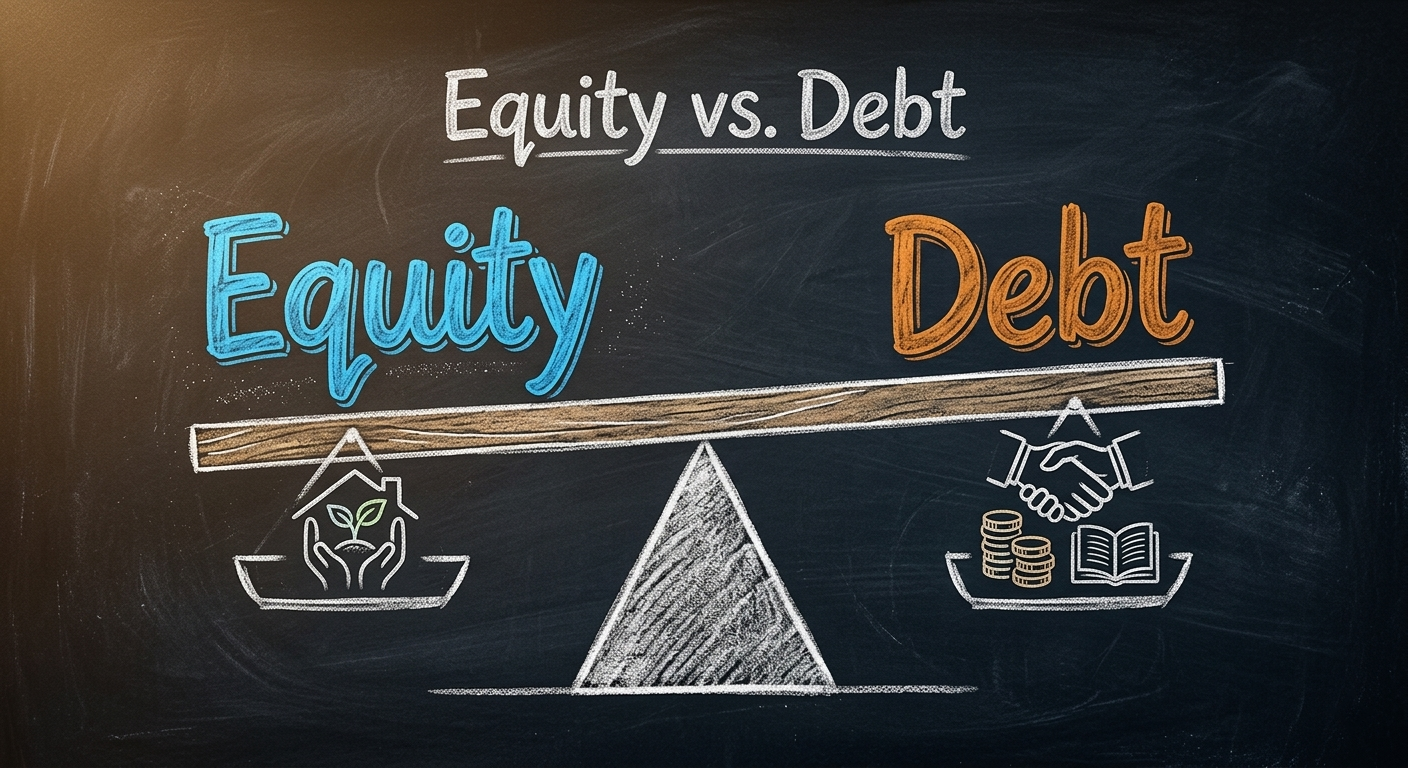
Although equity and debt frequently work together to finance the same real estate project, they represent two fundamentally different investment strategies. A debt investor acts as a lender, providing capital in exchange for regular interest payments and the eventual return of principal. Because the terms are established before the project begins, returns are generally predictable regardless of how well the property performs. This structure appeals to investors who prioritize stability, consistent income and lower exposure to operational risk.
Equity investing works differently because investors become partial owners of the property rather than creditors. Instead of earning fixed interest payments, they participate directly in the property's financial performance. If rental income grows, occupancy improves, operating expenses decline or the property's value increases, equity investors share in those gains. In return, they also accept greater uncertainty because their returns depend on the successful execution of the business plan.
The difference becomes even more significant in value-added real estate, where the objective is to increase a property's value after acquisition. While debt investors receive their predetermined return, equity investors participate in the appreciation, stronger cash flow and profits generated as the property is improved, refinanced or ultimately sold.
Why Value Add Deals Create Greater Upside for Equity Investors

Value add investing focuses on identifying properties with untapped potential rather than purchasing assets that are already performing at their highest level. These opportunities often involve older buildings, operational inefficiencies, below market rental rates, deferred maintenance or management practices that limit profitability. Instead of accepting existing performance as permanent, investors implement strategic renovations and operational improvements to increase both income and property value.
As these improvements are completed, the property's financial performance begins to strengthen. Renovated units can support higher rental rates, improved amenities help increase occupancy and better management often reduces operating expenses while enhancing the tenant experience. These changes increase net operating income, which directly contributes to higher property values. Unlike many other investments, value add real estate allows investors to influence returns through active management rather than relying solely on market appreciation.
This ability to create value is where equity investing offers its greatest advantage. While debt investors continue receiving predetermined interest payments, equity investors participate directly in stronger cash flow, appreciation and profits generated as the property improves. As values rise, owners may also refinance on better terms or realize larger gains when the asset is sold. This combination of value creation and ownership explains why many long term investors favor equity in well executed value add projects.
Managing Risk Through Smart Due Diligence

The potential for higher returns naturally comes with greater responsibility. Because equity investors occupy a different position in the capital structure than lenders, they face increased exposure if a project encounters unexpected challenges. Renovation costs may rise, leasing activity can take longer than expected and changing economic conditions may affect demand or financing costs. These realities make effective risk management an essential part of successful equity investing.
Reducing risk begins well before a property is acquired. Thorough due diligence helps identify opportunities supported by realistic business plans rather than optimistic projections. Experienced sponsors evaluate market demand, historical performance, renovation budgets, financing terms, projected rental growth and exit strategies before making an investment. Conservative underwriting and contingency planning also help projects remain financially resilient when unforeseen challenges arise.
The investment sponsor plays a critical role in executing the business plan. A capable management team knows how to oversee renovations, control expenses, attract tenants and respond to changing market conditions while keeping long term objectives in focus.
Investors should carefully review a sponsor's experience and track record because successful equity investing is not about eliminating risk. It is about understanding those risks and working with professionals who know how to manage them effectively.
How Equity Creates Multiple Sources of Return

One of the biggest advantages of equity investing is that returns can come from several sources instead of a single stream of income. Debt investments typically generate fixed interest payments, providing predictable returns but limiting the potential for additional earnings. Equity, by contrast, allows investors to benefit from multiple financial drivers throughout the life of the investment.
The first source of return is ongoing cash flow. As a value-add property improves, higher occupancy, stronger rental income and better expense management can increase net operating income, leading to larger cash distributions for equity investors. Unlike fixed interest payments, these distributions have the potential to grow as the property's financial performance strengthens.
Appreciation provides another important source of value. As renovations and operational improvements increase net operating income, the property's market value often rises as well. Equity investors participate directly in that appreciation, while debt investors continue receiving only their predetermined interest payments.
Additional wealth can also be created through loan amortization, refinancing opportunities and profits realized when the property is eventually sold. Together, these multiple return drivers explain why equity has become a preferred strategy for many investors focused on long term wealth creation.
Choosing Between Equity and Debt for Your Investment Goals
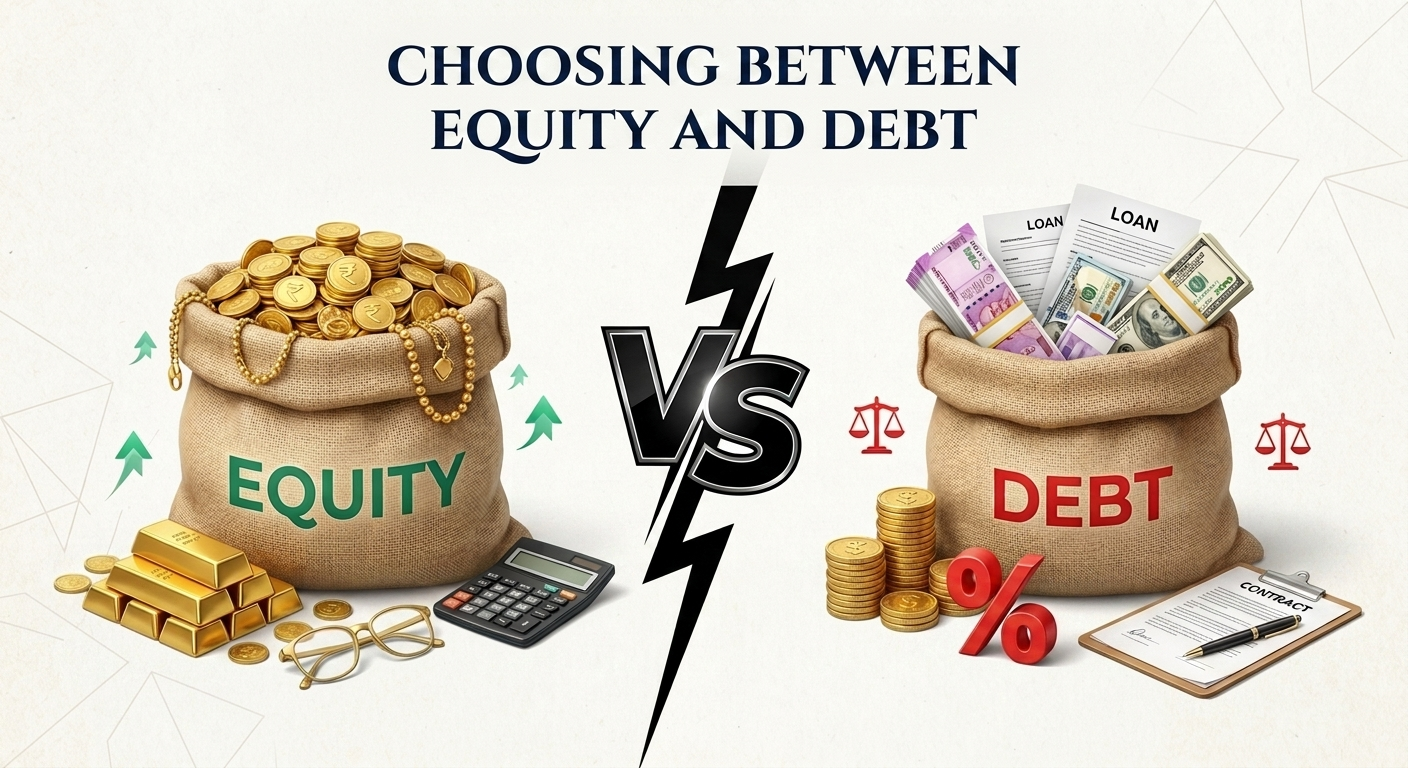
Although equity often offers greater upside, choosing the right investment strategy should begin with your financial goals rather than projected returns alone. Every investor has different priorities, time horizons and risk tolerance. Some prioritize stable income and capital preservation, while others are willing to accept greater short term uncertainty in pursuit of stronger long term growth.
Debt investments remain attractive because they offer predictable income, lower volatility and a higher position within the capital structure. These qualities make them well suited for investors who value consistency and reduced exposure to operational risk. While the potential for significant appreciation is limited, the stability they provide can play an important role in a balanced portfolio.
Equity investments appeal to investors seeking long term wealth creation through improving property performance, rising rental income, appreciation, refinancing opportunities and profits at the time of sale. Although these returns require patience and involve greater risk, they can substantially exceed those available through fixed income investments.
For this reason, many experienced investors combine equity and debt within a diversified portfolio, balancing dependable income with opportunities for long term capital growth.
Final Thoughts
The discussion surrounding equity and debt ultimately comes down to understanding how different investment structures support different financial goals. Debt offers predictable income, stability and greater downside protection while equity provides the opportunity to participate directly in the value created through a property's transformation. In value add real estate, that ownership position can translate into stronger cash flow, appreciation and long term wealth creation.
Although equity involves greater risk, successful investing depends on disciplined underwriting, experienced sponsors and thorough due diligence rather than simply pursuing the highest projected returns. Investors who understand the business plan and partner with capable professionals are better positioned to benefit from well executed value add opportunities.
For those focused on building lasting wealth, equity offers advantages that extend beyond regular distributions. At Prawdzik Capitals, the focus is on identifying carefully researched value-add opportunities, managing risk through disciplined execution and helping investors pursue sustainable long term growth through thoughtfully structured real estate investments.
Frequently Asked Questions
Q1. Why is equity often considered more rewarding than debt in value-added real estate?
Equity investors participate directly in a property's financial success. As rental income increases, operating performance improves and property values appreciate, equity investors share in those gains. Debt investors typically receive fixed interest payments regardless of how well the property performs.
Q2. Does equity investing involve more risk than debt investing?
Yes. Equity investors assume greater risk because they are paid after lenders and their returns depend on the overall success of the project. However, careful due diligence, experienced sponsors and conservative underwriting can significantly improve the likelihood of achieving strong long term results.
Q3. What factors make a value add real estate investment successful?
Successful value add investments typically combine a well located property with a realistic business plan, disciplined financial management, strategic renovations, experienced leadership and strong market demand. Each of these factors contributes to increasing income and creating long term value.
Q4. Should investors choose equity or debt for long term wealth building?
The answer depends on individual financial goals. Investors seeking predictable income may prefer debt while those focused on capital appreciation and long term wealth creation often find equity more attractive. Many experienced investors include both strategies within a diversified portfolio.
Q5. Why is due diligence important before investing in equity opportunities?
Due diligence helps investors evaluate the property's financial potential, assess the sponsor's experience, understand the renovation strategy, review financing assumptions and identify potential risks before committing capital. Thorough research supports better investment decisions and helps reduce avoidable risks.